
CNC routers have revolutionized furniture manufacturing by providing unmatched precision, efficiency, and design versatility. From cabinetry and wardrobes to solid wood tables and custom furniture, CNC furniture making machines streamline production, reduce material waste, and enable intricate designs.
What is CNC Furniture?
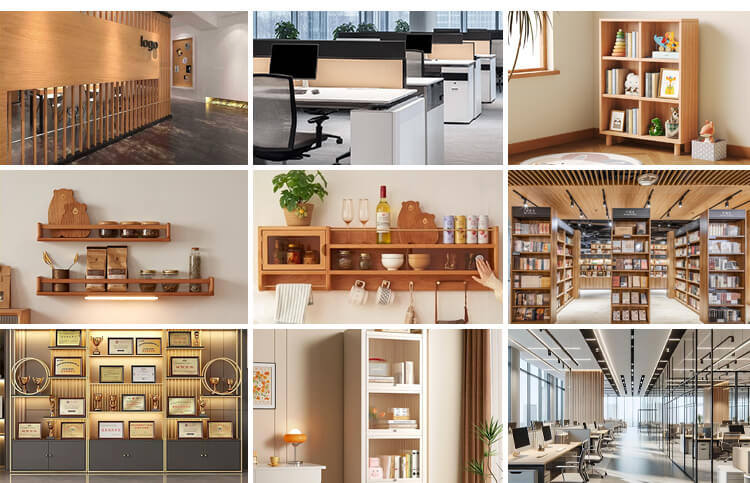
A furniture CNC router is a computer-controlled automatic nesting machine tool for custom flat-panel furniture manufacturing including bedroom furniture, kitchen furniture, home decor, shop and office furniture, which is available from personalized wall decorations to space-saving built-in cabinets.
A furniture CNC machine is a professional smart furniture making machine featuring with automatic labeling, coding, feeding, drilling, slotting, milling, cutting for whole house customization for cabinets, doors, closets, armoires, wardrobes, wall decorations, bookshelves, tables, screens, and built-in lockers.
Key features include:
-
High precision through digital programming.
-
Multi-axis movement (3-axis, 4-axis, or 5-axis).
-
Versatility for cutting, drilling, and carving.
-
Automation for mass production and complex designs.
This makes the CNC cutting machine for furniture a cornerstone in today’s woodworking industry.
CNC Furniture
Production Line
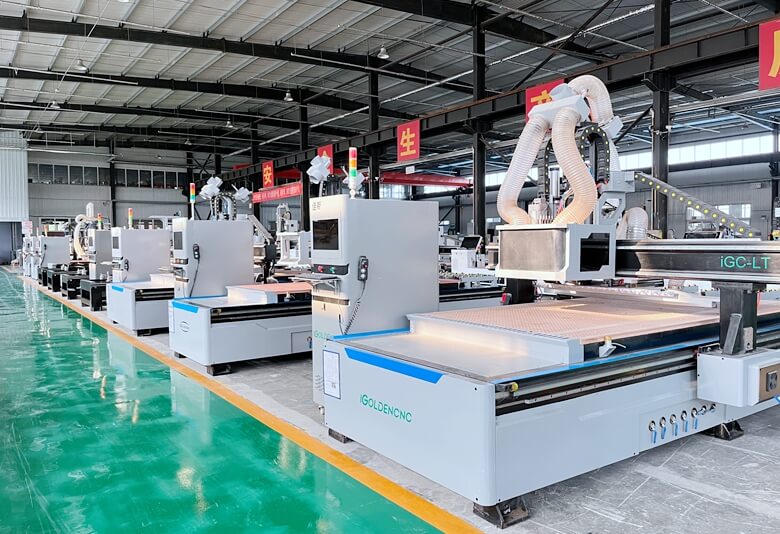
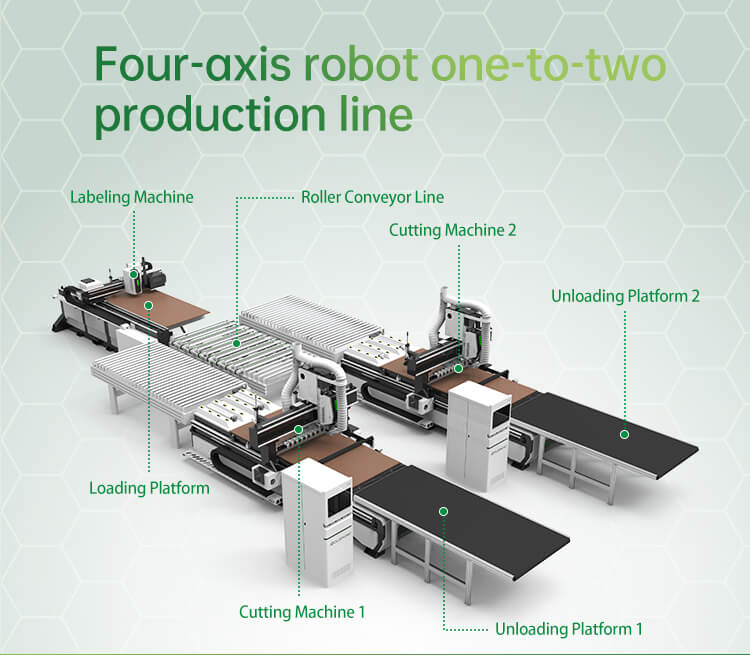
CNC router furniture production lines are mainly used for cutting, engraving, drilling and shaping various types of wood, such as solid wood, medium density fiberboard, plywood and composite materials, and then automatically producing furniture and cabinets. A production line integrates CAD/CAM software for design and programming, automated material handling systems, and optional upgrade components such as robotic arms and sensors. From customized designs to large-scale mass production, these systems provide consistent productivity and efficient operations.
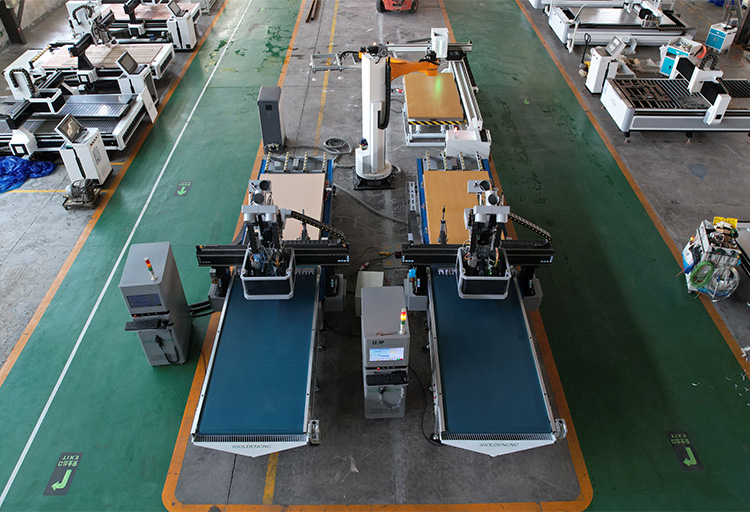
There are several types of CNC routers used in furniture production, including 3-axis routers for standard cutting and engraving, 4-axis routers for more complex designs and mitering, and 5-axis routers for complex 3D shapes and contours. Choosing the right line for your furniture style and production requirements can increase your productivity and improve the competitiveness of your products.
A CNC furniture production line consists of several independent CNC wood machines and accessories that work together. These include multi-axis wood routers, CAD/CAM software, material handling systems (e.g. conveyor belts), and automation tools (e.g. robotic arms or sensors) used to improve accuracy and efficiency. Together, these components form a tightly integrated system capable of producing high-quality furniture with minimal human intervention.
Furniture CNC Router List
Furniture CNC Router
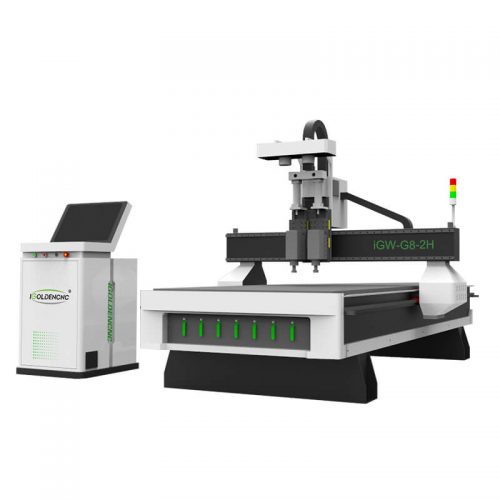
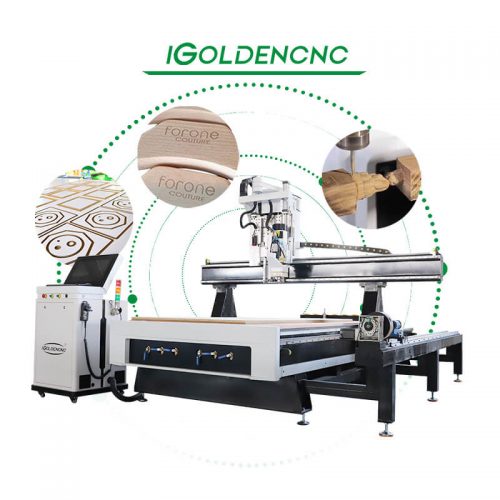
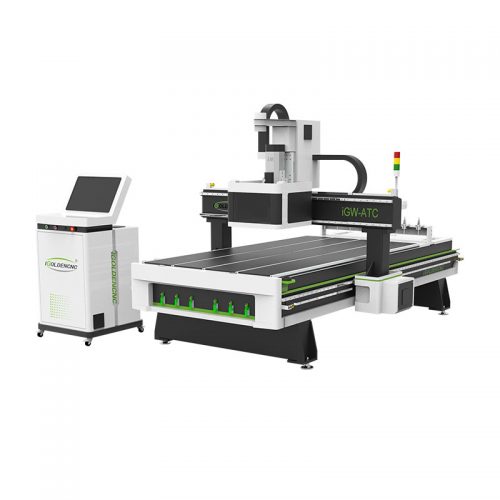
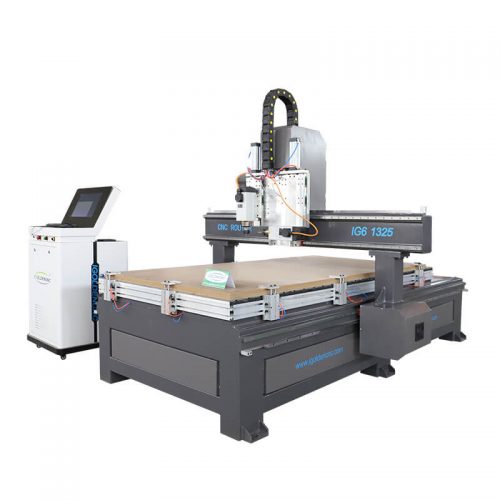
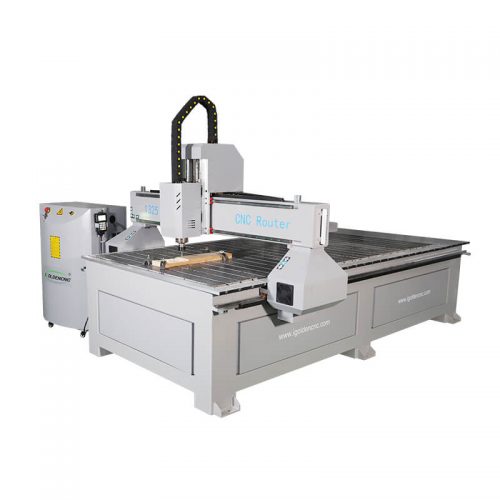
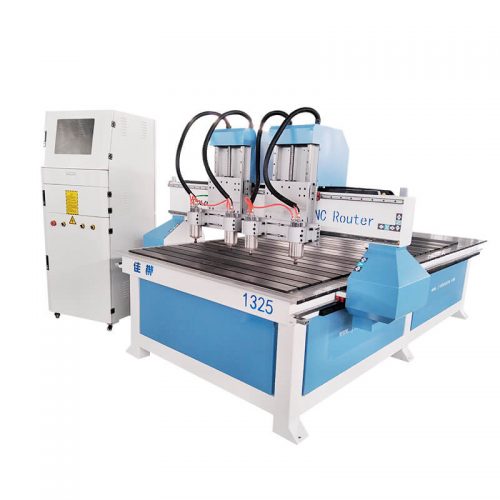
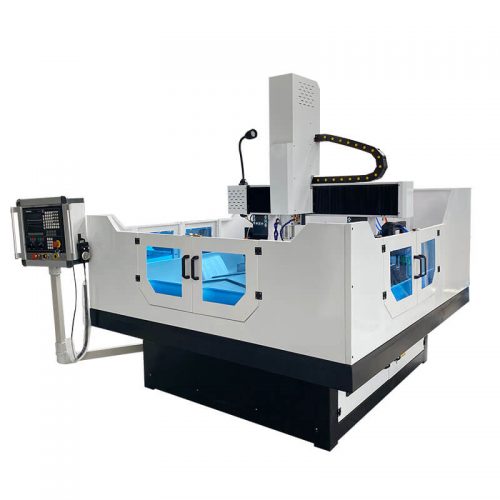
Some of the most common types of CNC routers for furniture include:
-
3-Axis CNC Router – Standard cutting, drilling, and shaping.
-
4-Axis CNC Router – Allows rotation and angled cutting.
-
5-Axis CNC Router – Handles complex 3D surfaces and advanced design.
-
ATC CNC Router (Automatic Tool Changer) – Speeds up production by switching tools automatically.
-
Nest CNC Router – Designed for optimizing sheet material cutting with nesting software.

Edge Banding Machine
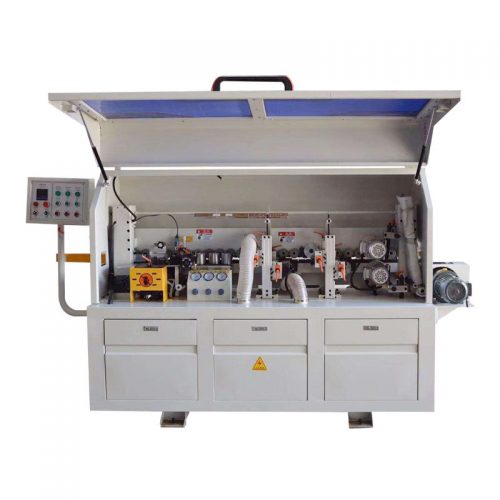
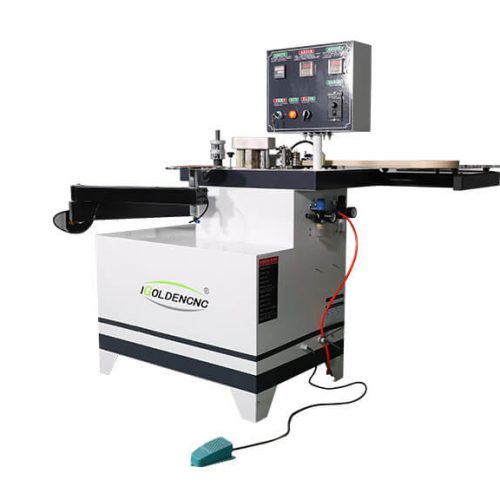
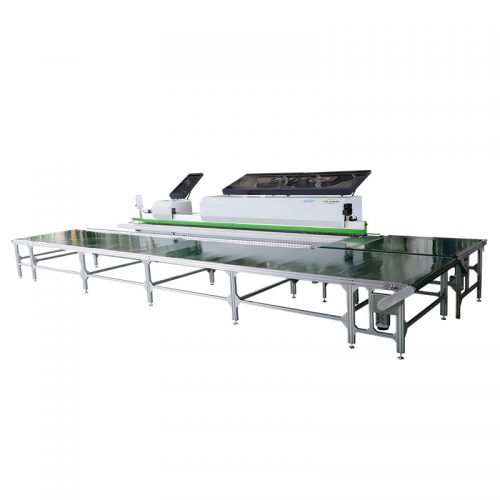
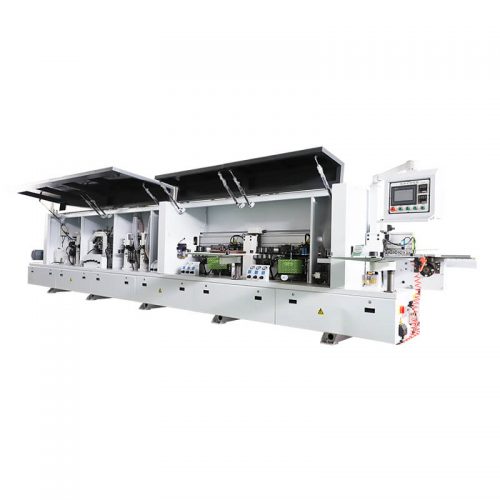
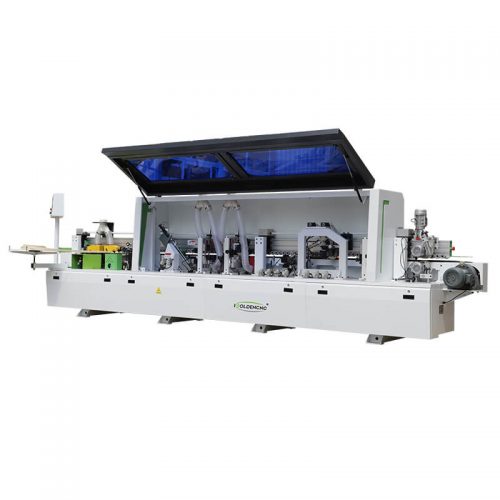
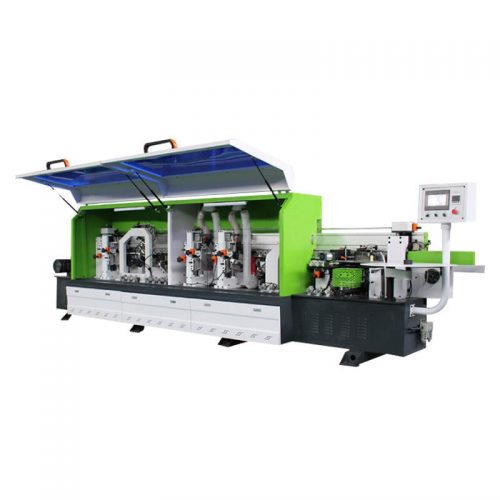
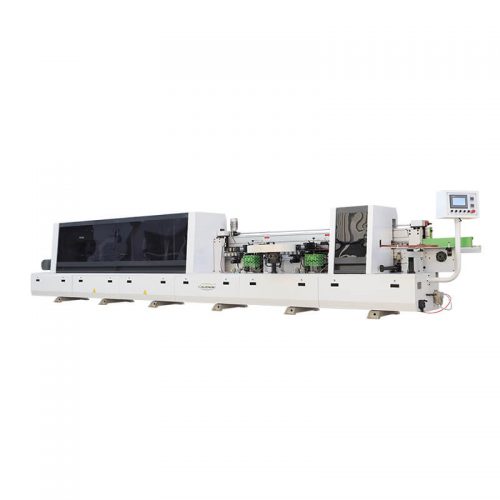
Edge Banding Machine is a kind of woodworking machinery, which belongs to solid wood machinery category, mainly used for edge banding. The machine has the functions of pre-milling, gluing and sealing, beading, finishing, scraping, polishing and grooving, and is suitable for straight line edge banding and trimming of MDF, joinery, solid wood, particle board, polymer door panel, plywood and so on. Don’t worry about the price! Jnigoldencnc offers a wide range of purchase options, from manual models for small shops, to portable models that work anywhere, to fully automated edgebanders for high-volume production, so you can find the perfect solution for your needs and budget.

Panel & Beam Saw

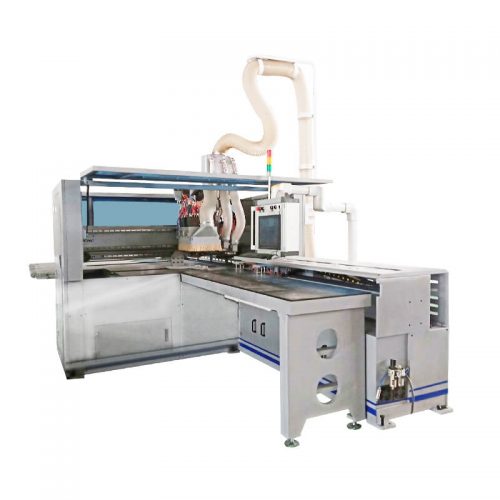
CNC Drilling Machine
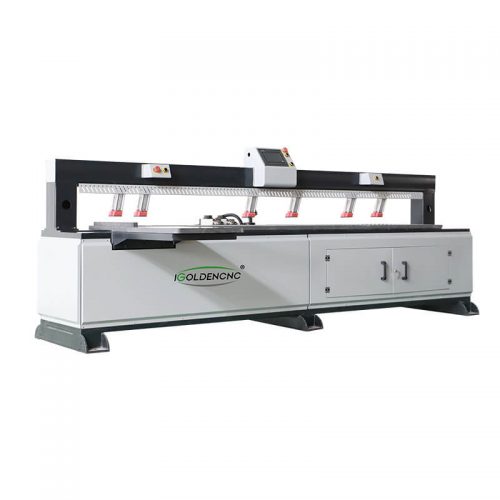
Our drilling machine lineup is engineered for high-precision panel furniture production. The CNC six side drilling machine handles full panel processing, the automatic side drilling machine ensures accurate assembly, and the hinge drilling machine provides precise drilling for cabinet doors. Ideal for MDF, particle board, and plywood, these machines improve efficiency, reduce errors, and optimize your woodworking workflow.
CNC Press Machine
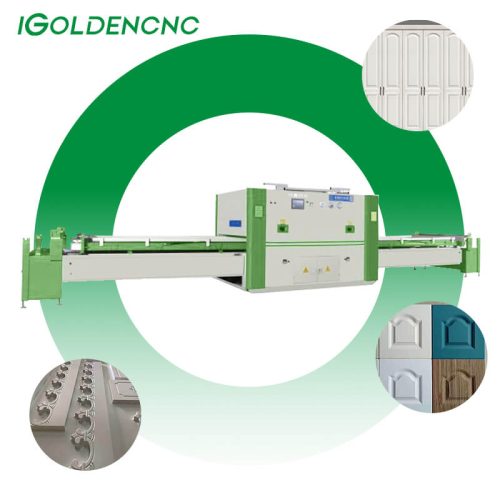
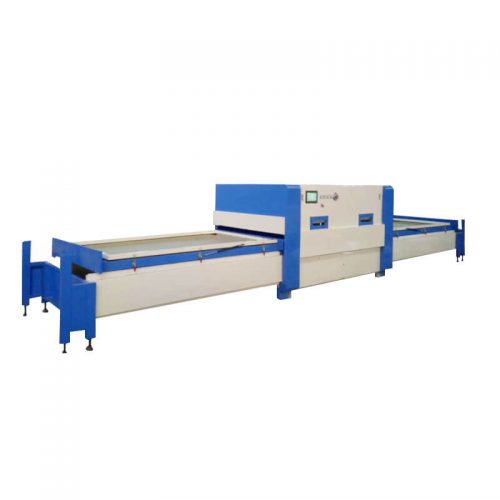
Press Machine is an essential piece of equipment for the woodworking and furniture industry, which improves the accuracy and efficiency of the lamination process. There are two main types of machines – cold presses and hot presses – which are primarily used to press a wide range of laminates on composite wood, cork board, plywood, MDF, fiberboard and honeycomb panels. Whether you’re working with decorative paper or other laminates.
Sanding Machine
Automatic Wood Sanding Machine is suitable for grinding and polishing all kinds of solid wood doors, European-style wooden doors, cabinet doors, plastic doors, shutters, furniture parts, carved flower panels, hollow grids, white blanks, primers and abrasive cloth strips of different thicknesses. The polishing effect can reach 80%, which greatly saves labour and improves efficiency.
Applications of CNC Routers in Furniture Manufacturing
1. Panel Furniture Production
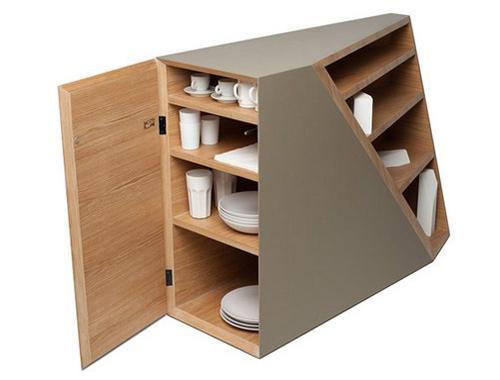
CNC cutting machines for furniture are widely used in panel furniture manufacturing, including wardrobes, cabinets, and office desks. They can cut board materials into panels of precise size and shape, while drilling holes for connectors.
2. Solid Wood Furniture
CNC routers can shape and carve solid wood furniture such as tables, beds, and chairs. They handle both structural parts and decorative detailing with accuracy.
3. Cabinet Doors and Decorative Panels
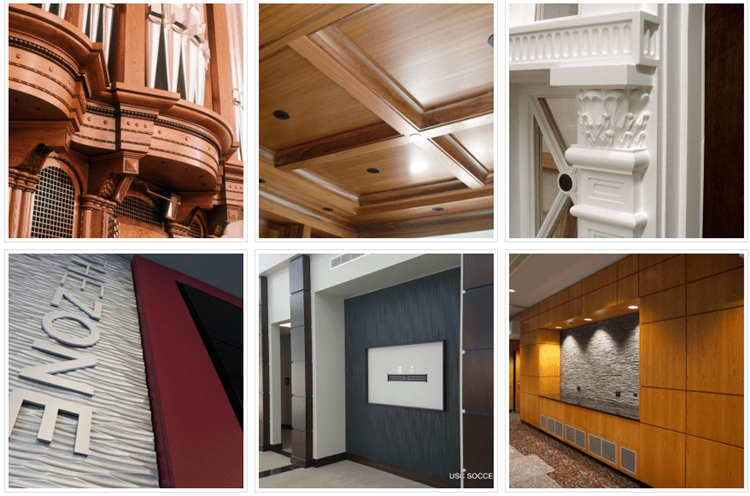
A CNC router woodworking machine excels in creating cabinet doors, wall panels, and room dividers with decorative grooves, engravings, or 3D relief patterns.
4. Upholstered Furniture Frames
Frames for sofas and armchairs require precise cutting to ensure stability and comfort. CNC routers quickly cut plywood or hardwood frames for upholstered furniture.
5. Custom Furniture and Prototyping
Small workshops and startups use CNC routers for furniture to create unique, customized designs. Whether it’s a one-off dining table or a prototype for a new chair collection, CNC machines ensure rapid turnaround.
6. Engraving and Artistic Furniture
With multi-axis capability, a CNC router for wood furniture can carve sculptures, artistic furniture pieces, and complex curved surfaces that would be nearly impossible with hand tools.
CNC Router Furniture advantages of automated furniture production
Automated furniture production with a CNC router furniture production line can significantly improve productivity, product quality and profitability. Here are the main advantages of CNC router furniture production lines and their impact on furniture production:
Improved Precision
Impact: CNC routers ensure that furniture components are cut, carved and shaped with high precision, achieving tolerances that are difficult to achieve manually. This results in products with perfect details and consistent quality.
Application: Suitable for complex designs, custom furniture and intricate patterns such as curved edges or carved details.
Increased Efficiency and Speed
Impact: Automation reduces manual intervention and speeds up the production process from design to final assembly. CNC routers have simultaneous multi-axis cutting capabilities, which complete tasks faster than traditional methods.
Application: Ideal for manufacturers handling large orders.
Scalability (suitable for mass or custom production)
Impact: Whether producing thousands of identical products for mass production or unique custom designs, CNC machines are flexible.
Application: Supports the business needs of both high-volume customers and niche markets.
Reduce Costs
Impact: Automated production requires fewer operators to manage the production line, thereby reducing labor costs. In addition, CNC routers optimize material usage, reduce waste, and save on raw material costs.
Application: Especially beneficial for operations that are budget-conscious and aim to maximize profits.
Reduces Material Waste
Impact: CNC routers use cutting paths designed by CAD/CAM software to ensure precision and optimal material utilization.
Application: Suitable for manufacturers who are environmentally conscious or use expensive raw materials.
Customization Capabilities
Impact: Thanks to advanced CAD/CAM integration, CNC routers enable manufacturers to efficiently produce custom designs. Custom shapes, engravings and dimensions can be easily achieved.
Application: Attracts high-end furniture brands, custom furniture manufacturers and designers looking for unique products.
Material Compatibility for Flexibility
Impact: CNC routers can process a wide range of materials, including MDF, plywood, hardwood, plastics and composites. This versatility makes it possible to produce a wide range of furniture.
Application: Useful for manufacturers exploring different furniture categories or experimenting with innovative materials.
Improved Safety
Impact: Automation minimizes the risk of work-related accidents associated with using traditional tools by reducing the need for manual handling.
Application: Helps meet industry safety standards while ensuring the health of workers.
Complex, Detailed Designs
Impact: CNC routers excel at producing intricate patterns, engravings and geometries that would be almost impossible or very time-consuming to create by hand.
Application: Essential for high-end custom furniture that requires detailed decoration.
Consistency in Production
Impact: CNC routers ensure that every product produced is exactly the same, ensuring reliable product quality in mass production.
Application: Especially important for mass production by retail chains or large furniture suppliers.
Reduced Lead Times
Impact: Automation speeds up turnaround times, enabling manufacturers to meet tight deadlines and improve delivery times.
Application: Helps companies stay competitive in a fast-paced market.
Integration with Smart Manufacturing
Impact: CNC router lines can be integrated with smart factory systems and IoT technologies to enable real-time monitoring, predictive maintenance and optimized workflows.
Application: Supports manufacturers in achieving Industry 4.0-level operations.
Environmental Sustainability
Impact: Reduced waste, energy-efficient machinery and optimized processes contribute to environmentally-friendly production.
Application: Appeals to environmentally-conscious customers and complies with green certification programs.
Reduced Maintenance Requirements
Impact: With proper care and maintenance, CNC routers are durable and reliable, reducing downtime and repair costs.
Application: Ensures continuous operation and improves ROI.
Return on Investment (ROI)
Impact: While the initial cost of implementing a CNC router line may be high, the ROI is substantial due to long-term savings in labor, material waste, and increased productivity.
Application: Attracts businesses looking for scalability and long-term growth.
Investing in a CNC furniture production line is a strategic move for manufacturers looking to improve operational precision, efficiency and scalability. By automating processes, companies can remain competitive in fast-moving markets while meeting the demand for high-quality, cost-effective and sustainable furniture production.
Cost of Implementing a CNC Router Furniture
Setting up a CNC router furniture production line requires a much larger investment than buying a CNC machine, but it can save you a lot of money in the long run. Here is a breakdown of the costs of such a production line:
Equipment Costs: The main expenses include the CNC router itself and necessary components such as CAD/CAM software, dust extraction systems, conveyor systems and robotic arms. Depending on the level of automation and the specifications of the machine, the cost of a high-end production line can range from $15,000 to over $100,000.
Installation and Training: Setting up a CNC router furniture production line requires the correct installation equipment and training for operators. These costs can vary, with most manufacturers investing between $5,000 and $20,000 in installation and training. However, We offers free training for manufacturers who purchase any iGLDENCNC-manufactured CNC router production line, or our technicians can go to your factory to train your staff.
Maintenance: The maintenance costs for the machine include regular maintenance (labor costs), software application updates (completely free), and consumables such as cutting tools. Depending on the production line’s output, the annual maintenance cost is about 3-8% of the initial equipment investment.
Cost Savings: Automated furniture production using CNC processing equipment can reduce labor costs, reduce waste of resources and shorten production time, thereby bringing lasting cost savings to your business. For example, furniture suppliers can save up to 30-50% on material usage and labor costs by streamlining and automating production processes.
Return on Investment: Although the initial investment in a CNC furniture production line may seem high, the overall benefits of the line are more objective, and furniture manufacturers can expect to recoup their investment within 1-3 years, depending on your production volume and efficiency. A CNC furniture production line can also help companies expand production and take on more orders than would be possible using traditional methods, which would either take too long or be impossible.
Investing in a suitable CNC router furniture production line can help you improve productivity and product quality, but you need to carefully evaluate the costs and benefits to ensure that this is a strategic and profitable decision. If you have any questions about setting up or using the production line, please feel free to contact our team, and we will work out the best solution based on your project needs and budget.
I have seen their production capacity. Everything arranged with space. They have a good production facility.
The building quality of the machines and the process what they use is also very good. I hope I can be associated with them as an BRAZIL representative. And wishing them a best of luck.
Works great on wooden boards and panel materials. Cuts clean edges and does engraving perfectly.
It helped me boost productivity in my small furniture shop.