
A CNC wood milling machine is a modern device that enables precise machining of various wooden materials. Thanks to advanced numerical control technology, this machine allows even the most complex projects to be executed with the highest accuracy, making it indispensable across many industrial sectors.
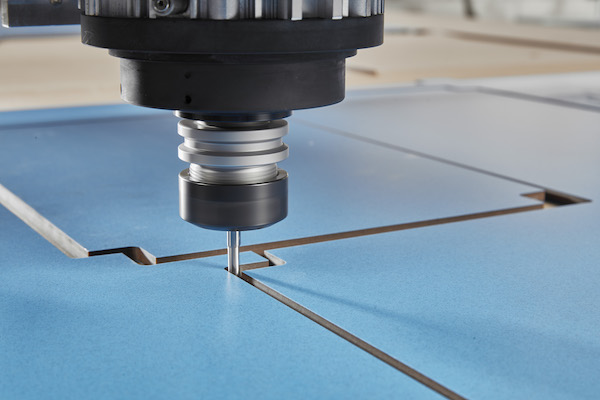
Wood Milling CNC Machine
A Wood Milling CNC Machine is an automated woodworking system designed to cut, mill, carve, engrave, groove, and shape wood according to programmed digital designs. By combining a high-speed spindle, precision motion system, CNC controller, and CAD/CAM software, it helps woodworking businesses produce consistent components with less repetitive manual work.
For furniture manufacturers, cabinet makers, door manufacturers, woodworking workshops, and custom furniture producers, a CNC wood milling machine can improve production flexibility and make complex designs easier to reproduce.
iGOLDENCNC provides CNC woodworking solutions for different applications, from standard panel processing and furniture production to 3D wood carving and multi-axis machining.
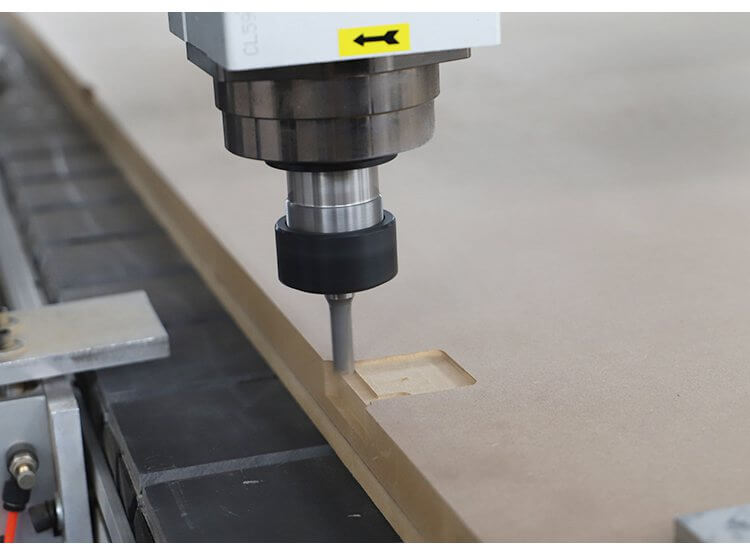
What Is a Wood Milling CNC Machine?
A wood milling CNC machine uses computer numerical control (CNC) to guide a rotating cutting tool along programmed paths. Instead of manually moving the tool across the workpiece, the operator prepares a design and toolpath that the machine follows automatically.
Depending on its configuration, a CNC wood milling machine can perform:
- Wood cutting and trimming
- Surface milling and material removal
- 2D and 3D wood carving
- Engraving letters, logos, and decorative patterns
- Routing grooves and pockets
- Edge profiling
- Furniture component machining
- Door panel processing
- Drilling and hole machining
- Complex contour cutting
The term wood milling CNC machine is sometimes used interchangeably with CNC wood router. In woodworking, router-style CNC machines are commonly used for large panels, furniture parts, and decorative carving. More specialized machining centers may offer additional rigidity, rotary axes, automatic tool changing, or multi-sided machining.
The best choice depends on the workpiece size, material, cutting depth, required accuracy, and production volume.
Main Types of Wood Milling CNC Machines
Different CNC machines are designed for different woodworking tasks. Selecting the right type is essential for achieving the required balance between machining capability, investment, and productivity.
| 3-Axis CNC Wood Router | Cutting, engraving, routing, panel machining | General woodworking shops |
| ATC CNC Wood Router | Multi-tool machining, furniture components, doors | Workshops requiring frequent tool changes |
| CNC Nesting Machine | Cabinet panels, wardrobes, customized furniture | Panel furniture factories |
| 4-Axis CNC Wood Router | Rotary carving and selected 3D machining | Furniture and decorative carving businesses |
| 5-Axis CNC Router | Complex 3D surfaces and multi-angle machining | Advanced furniture and specialty manufacturers |
| CNC Wood Machining Center | Integrated cutting, drilling, milling, and machining | Industrial woodworking operations |
3-Axis CNC Wood Milling Machine
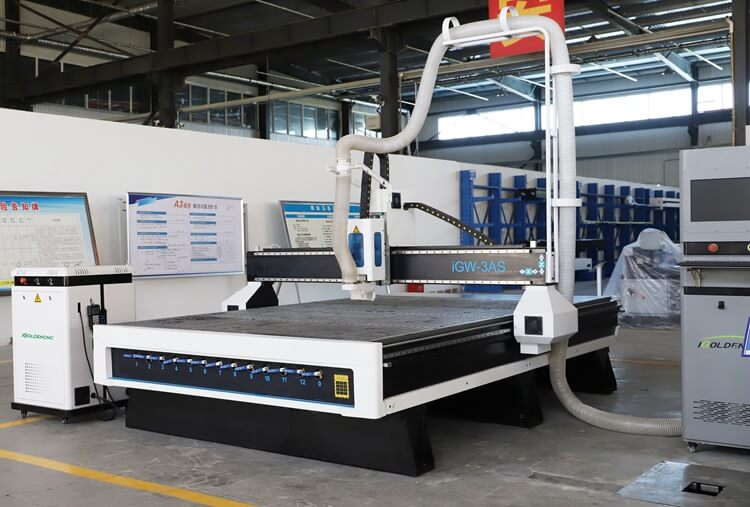
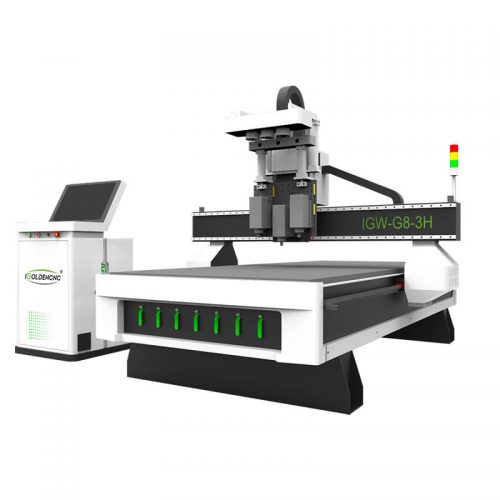
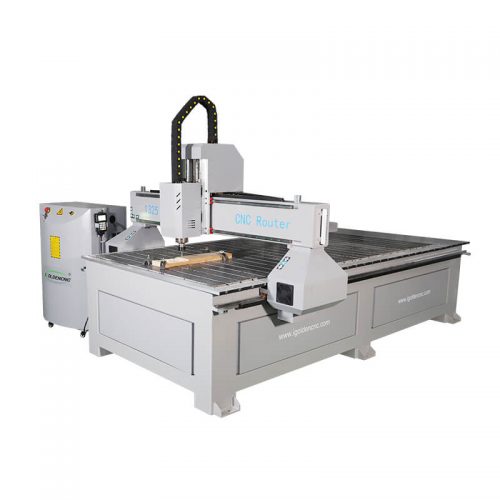
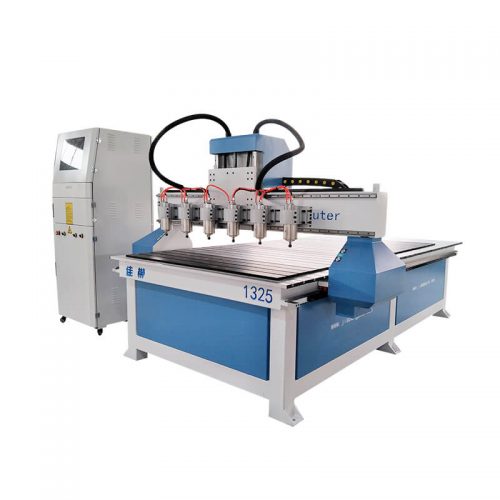
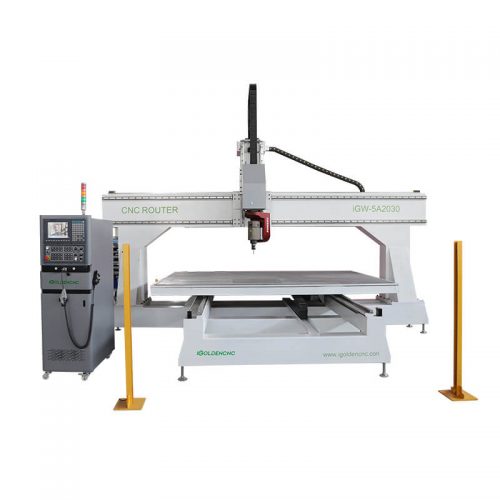
A 3-axis CNC wood milling machine moves along the X, Y, and Z axes. It is suitable for flat panels, lettering, pockets, grooves, cabinet components, and many common woodworking tasks.
It is a practical choice for workshops that primarily process sheet materials or components that do not require rotary machining.
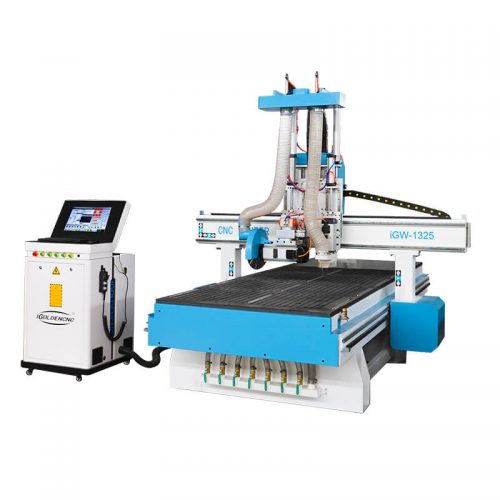
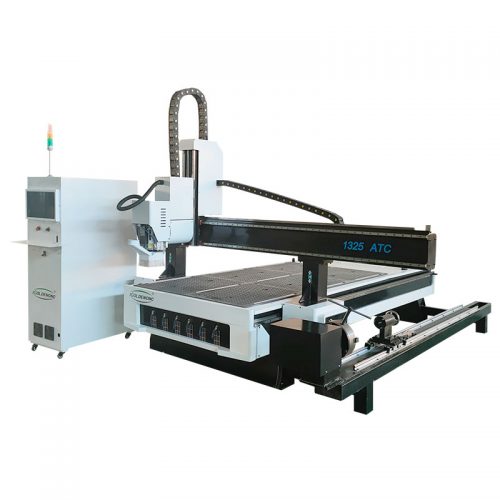
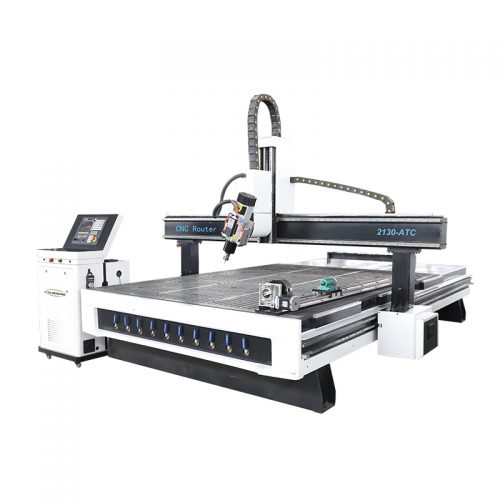
ATC CNC Wood Milling Machine
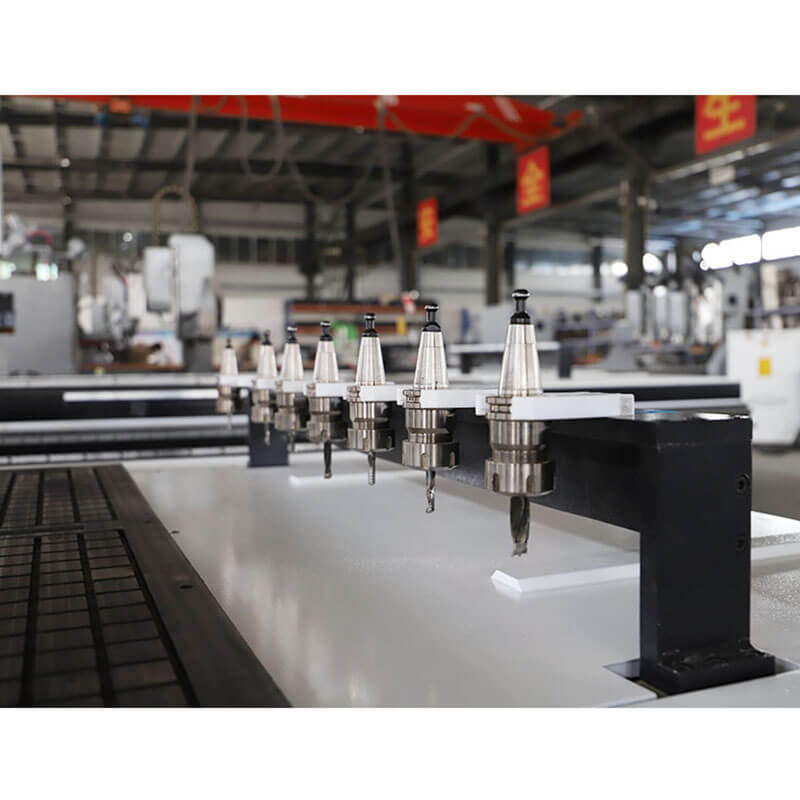
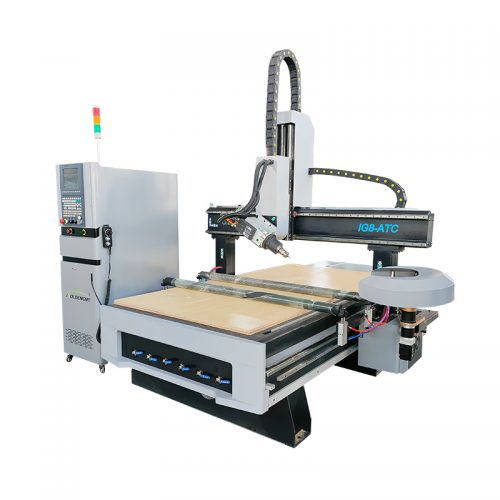
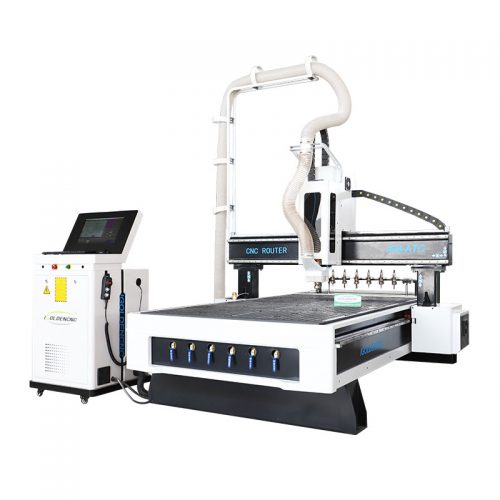
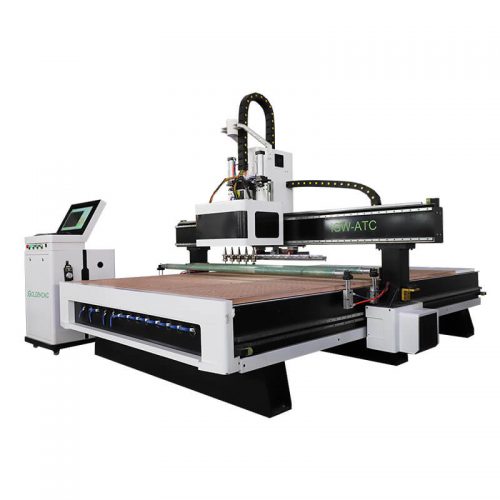
An automatic tool changer (ATC) CNC machine can change between compatible cutting tools during a programmed job. This reduces the need for repeated manual tool changes and supports more complex machining sequences.
Common applications include:
- Cabinet and wardrobe production
- Furniture panel machining
- Door manufacturing
- Grooving and drilling
- Decorative carving
- Multi-operation woodworking
An ATC system is particularly useful when one component requires several tools or when the workshop processes different jobs throughout the day.

CNC Nesting Machine
While not as common in woodworking, CNC Nesting Machine can be used to cut intricate shapes in sheet materials, like plywood or MDF.
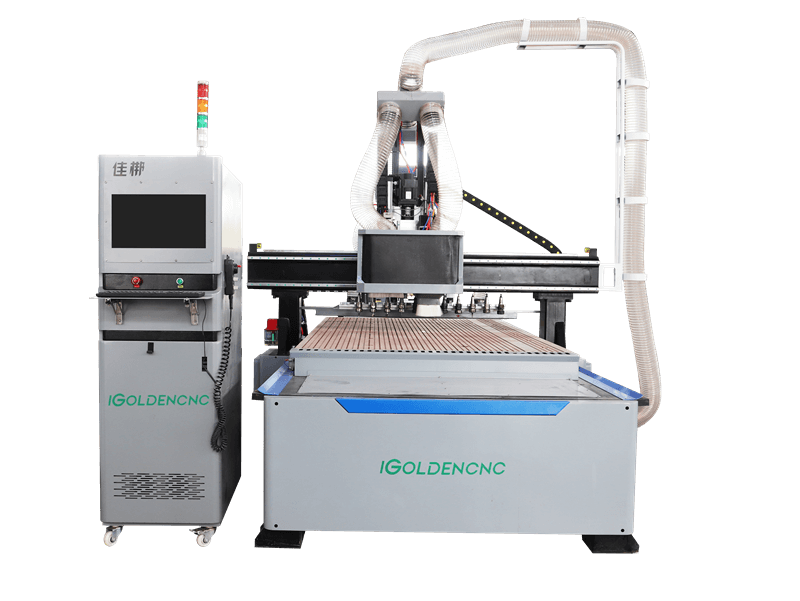
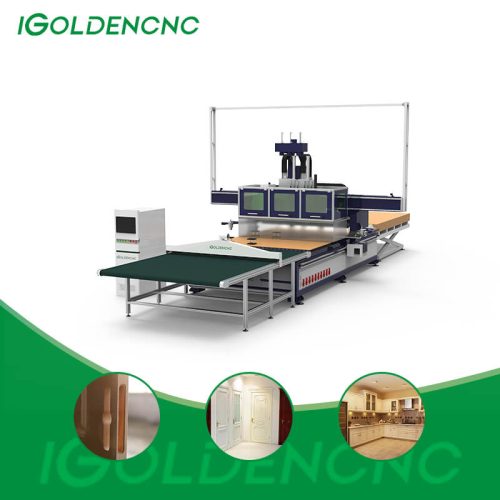
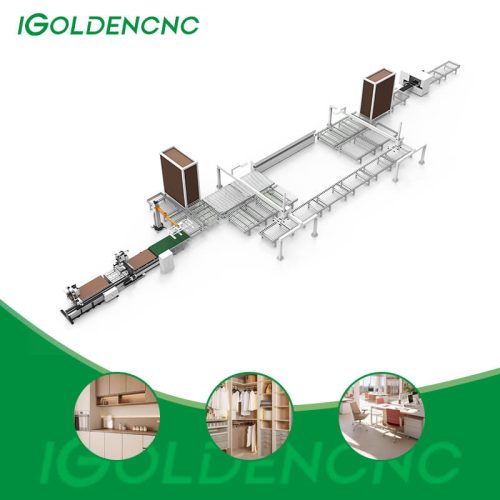
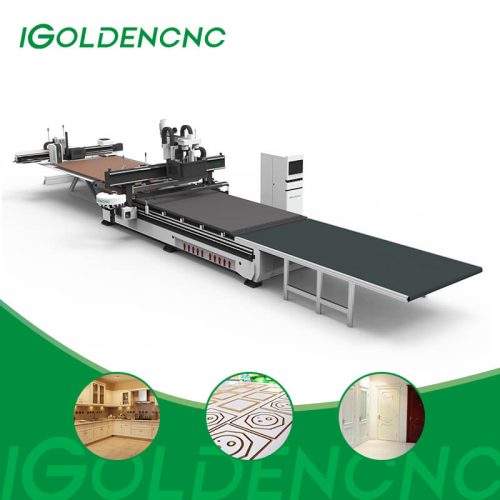
The nesting CNC machine is a computer numerical control equipment specially designed for the production of panel furniture line. It is also known as CNC nesting machine for sale, furniture making machine, CNC router nesting near me, nesting CNC router for furniture, furniture manufacturing machine, cabinet CNC machine, kitchen cabinet door making machine, CNC machine for cabinet making, cabinet door machine for sale, etc.
Nesting CNC machine is mainly used to cut various wooden works. Generally, through the design of intelligent software, the nesting CNC routers can automatically optimize the typesetting design and generate the effect map. Besides, the nesting machine can also perform operations such as modification intuitively, and automatically generate various paths. Therefore, it can save sheets and improve sheet utilization. The nesting CNC machine is widely used in the furniture industry such as cabinet doors, wardrobe doors, solid wood doors, paint-free doors, solid wood composite doors, and suite doors. If you are a manufacturer of furniture production lines, this nesting CNC machine is definitely one of your indispensable CNC equipment.

4-Axis CNC Wood Milling Machine
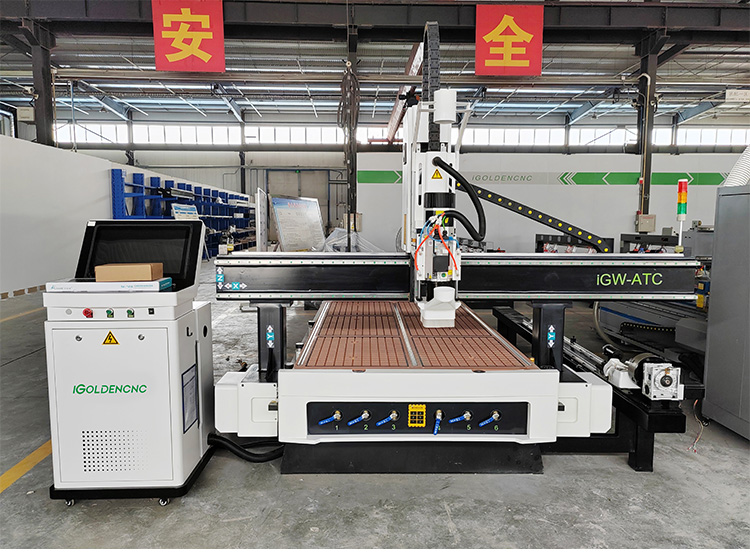
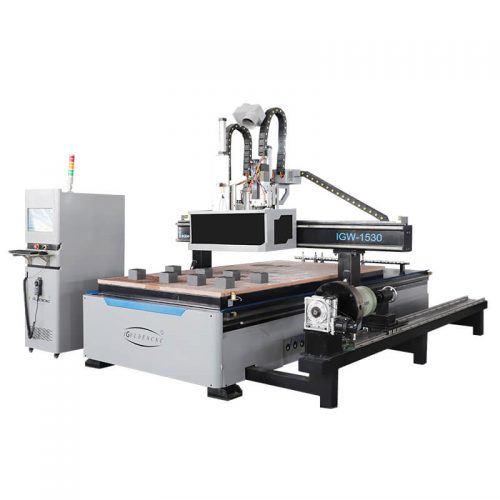
A 4-axis CNC wood router adds a rotary or other controlled axis to the standard three-axis system, depending on the machine design.
It can be used for cylindrical carving, furniture legs, columns, balusters, and selected three-dimensional woodworking applications. The exact capability depends on the rotary configuration, workpiece dimensions, and available tool clearance.
5-Axis CNC Wood Milling Machine
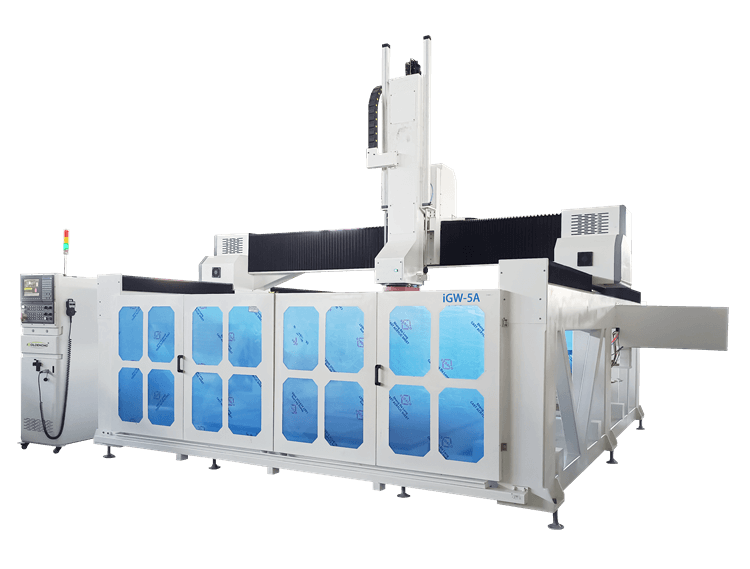
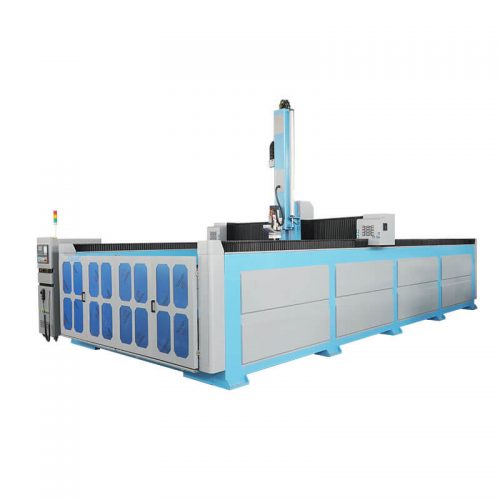
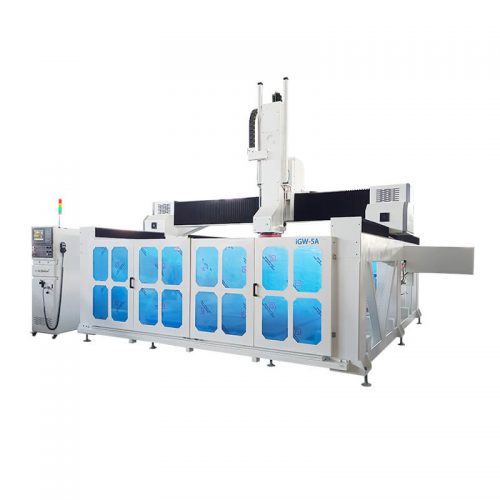
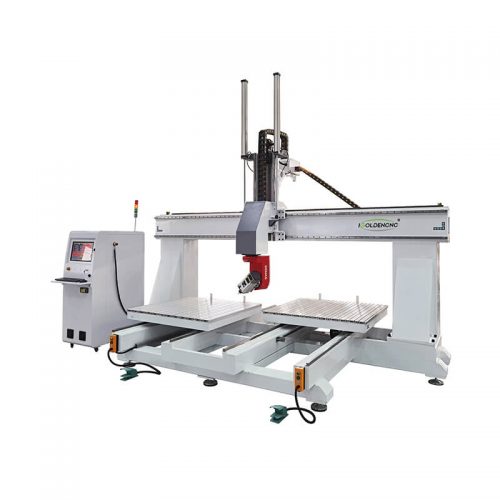
A 5-axis CNC machine can orient the cutting tool in multiple directions, allowing more complex surfaces and multi-angle features to be machined.
Typical applications include sculptural furniture components, complex molds, curved wood parts, architectural elements, and specialized three-dimensional designs.
A 5-axis system is not necessary for every woodworking business. For standard cabinet panels and routine furniture parts, a well-configured 3-axis or ATC router may provide a more cost-effective solution.

Applications of CNC Wood Milling Machines
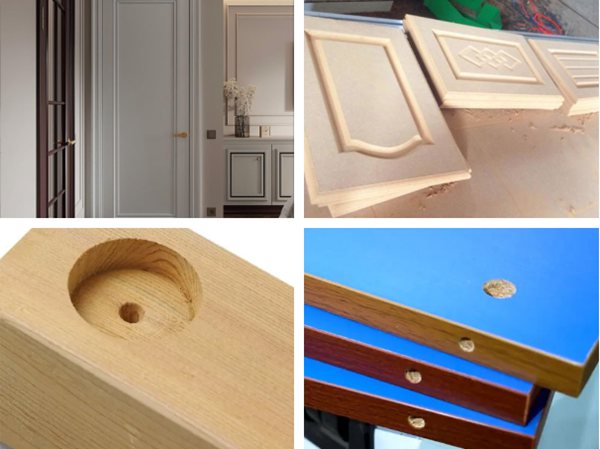
1. Furniture Manufacturing
CNC milling is used to manufacture table components, chair parts, cabinet doors, decorative panels, furniture frames, and customized wooden components.
Automated toolpaths help reproduce the same design across multiple parts, which is useful for batch production and customized furniture orders.
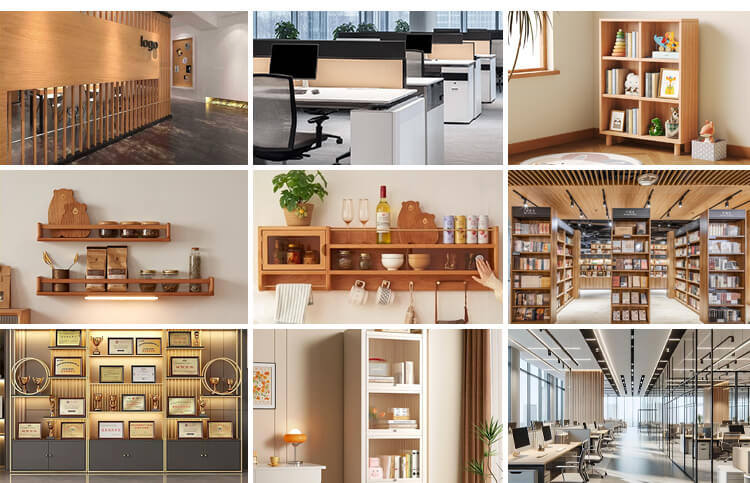
2. Kitchen Cabinets and Wardrobes
CNC wood routers and nesting machines can process cabinet panels, cut contours, route grooves, and produce selected holes or hardware features when equipped for those operations.
For factories producing many different panel sizes, nesting software can also help arrange parts efficiently on a sheet.
3. Wooden Doors and Decorative Panels
CNC milling machines can create recessed panels, decorative patterns, grooves, lettering, and custom door designs. ATC configurations are particularly useful when the machining process involves several tools.
4. 3D Wood Carving
Rotary-axis and multi-axis CNC machines can produce furniture legs, columns, relief sculptures, decorative ornaments, and complex wooden shapes.
The required number of axes depends on whether the workpiece is flat, rotary, or three-dimensional.
5. Architectural Woodworking
Applications include wall panels, interior trim, moldings, stair components, decorative screens, and custom architectural elements.
For larger components or complex surfaces, the working area and tool clearance should be checked before choosing the machine.
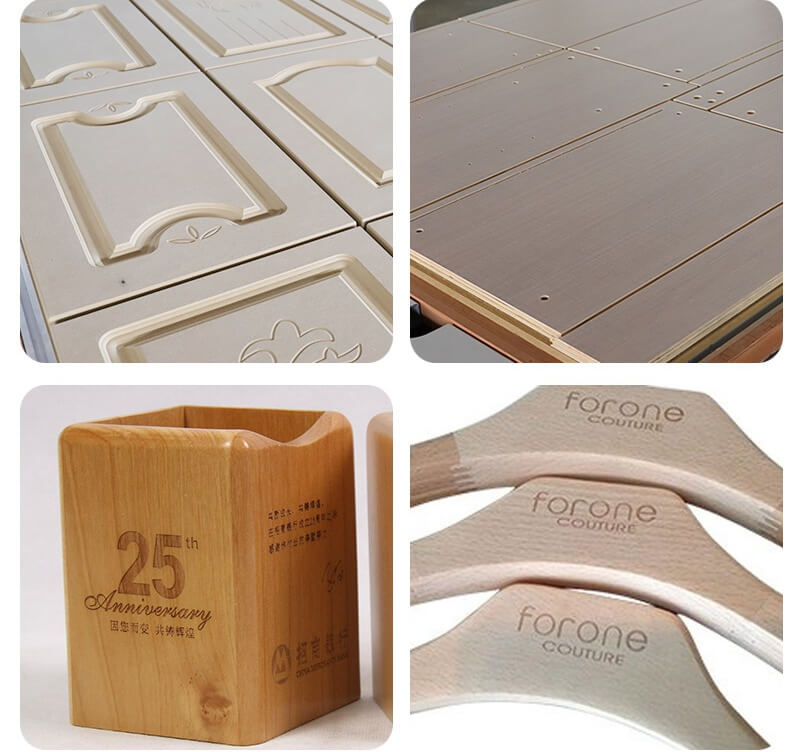
6. Signs and Customized Products
CNC wood milling machines can engrave logos, letters, patterns, plaques, and branded wooden products. They are suitable for businesses producing personalized products or small batches with frequent design changes.

Key Features to Consider When Buying a Wood Milling CNC Machine
Before investing in a CNC wood milling machine, compare the features that directly affect your production needs.
Spindle Power and Cutting Performance
Spindle power should match the material, cutting tool, required depth, and machining strategy. Higher power alone does not guarantee a better finish or shorter cycle time.
Working Area
The machine table must accommodate the largest workpiece, fixtures, and necessary tool movements. Common panel formats and the dimensions of your largest components are useful starting points.
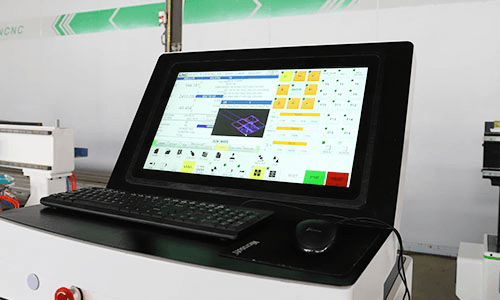
CNC Controller and Software Compatibility
Check whether the controller works with your CAD/CAM workflow and whether operators can manage file transfer, toolpath setup, and job changes efficiently.
Automatic Tool Changer
An ATC system is useful when jobs require multiple tools. Evaluate the number of tool positions, tool-change process, compatible holders, and maintenance requirements.
Drive System and Machine Structure
The frame, guide rails, drive components, spindle mounting, and calibration affect machine stability and machining consistency. These factors are particularly important for large workpieces and repeated production.
Dust Collection
Wood milling produces chips and fine dust. A suitable dust collection system helps maintain a cleaner working area, protects machine components, and supports safer operation. Dust extraction should be designed for the material and production environment.
Workholding System
Vacuum tables are common for sheet processing, while clamps and fixtures may be better for smaller solid wood parts or irregular workpieces. The right choice depends on part geometry and cutting forces.
How to Choose the Right CNC Wood Milling Machine
The best machine is the one that fits your actual products and workflow.
For small woodworking shops: A standard 3-axis CNC router may be sufficient for signs, engraving, grooves, and common wood components.
For cabinet and furniture factories: An ATC CNC router or nesting machine may be more suitable when the workflow involves frequent tool changes, panel cutting, and repeat production.
For 3D wood carving: Consider a rotary-axis or multi-axis machine according to the workpiece shape and machining requirements.
For complex solid wood components: A 5-axis CNC machining center may be worth evaluating if multi-angle access and complex surfaces are essential.
For larger production operations: Consider the complete workflow, including material loading, workholding, dust extraction, software, tool management, and downstream finishing.
Before requesting a quotation, prepare the following information:
- Material type and thickness
- Maximum workpiece dimensions
- Typical part drawings or sample photos
- Required cutting, milling, and carving operations
- Daily or monthly production volume
- Need for automatic tool changing
- Preferred CAD/CAM software
- Available workshop space
This information helps the supplier recommend a machine configuration that matches your requirements instead of relying on general specifications alone.
Conclusion
A Wood Milling CNC Machine can help woodworking businesses automate cutting, milling, carving, engraving, and other machining operations. From cabinet panels and furniture parts to decorative components and complex 3D shapes, the right CNC configuration can improve repeatability and expand manufacturing capabilities.
The key is to match the machine to the materials, workpiece dimensions, machining complexity, and production volume. By evaluating these factors before purchasing, manufacturers can choose a solution that supports both current projects and future production needs.
iGOLDENCNC offers CNC woodworking solutions for different applications, helping manufacturers identify equipment suited to their machining requirements.
IGOLDEN BLOG
Thank you for visiting the iGOLDENCNC website. iGOLDENCNC is the professional supplier of CNC machinery application solution, within the business of producing and selling CNC machinery and accessories.