Wooden Door And Door Frame Making Machine
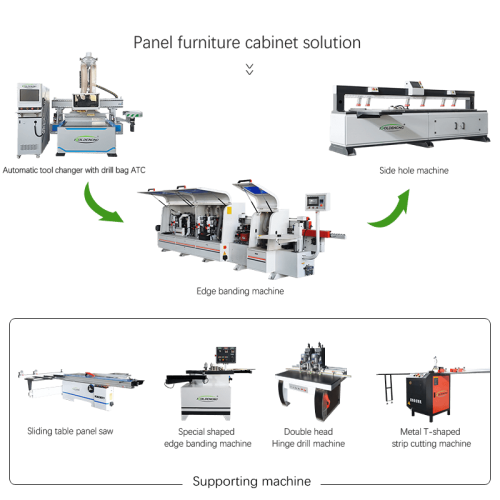
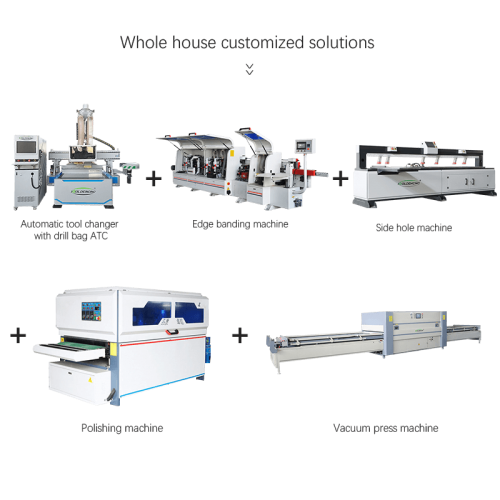
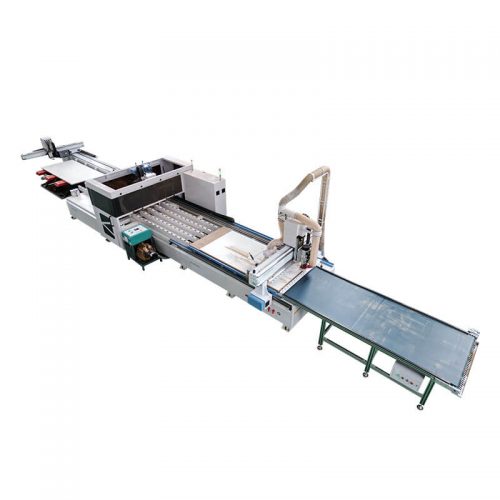
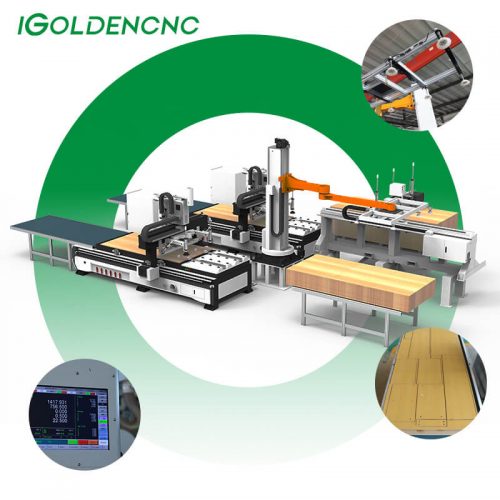
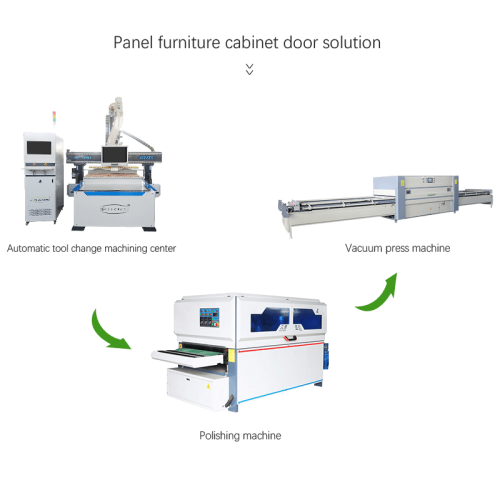
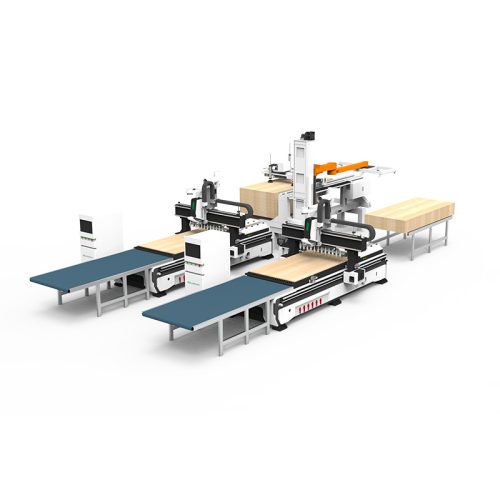
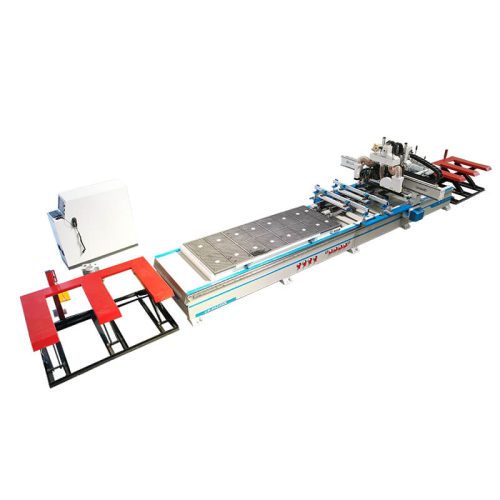
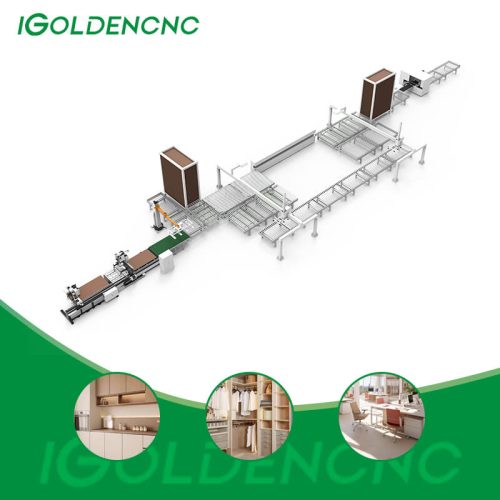
A wooden door and door frame making machine is woodworking equipment used to manufacture or machine door panels and related frame components. Depending on the model, the machine may process solid wood, MDF, plywood, and other compatible wood-based materials.


Wooden Door And Door Frame Making Machine
A Wooden Door And Door Frame Making Machine is designed to help woodworking manufacturers process wooden door panels and compatible door frame components with greater precision and production efficiency. Depending on the machine configuration, machining operations may include drilling, grooving, milling, slotting, and other customized woodworking processes.
For manufacturers producing interior doors, bedroom doors, office doors, and customized wooden doors, efficient processing of both door panels and frames is essential for accurate assembly and consistent product quality. CNC woodworking equipment helps standardize machining operations, reduce repetitive manual work, and support flexible production.
Video


Benefits of Using a Wooden Door and Door Frame Making Machine
Improved Production Efficiency
CNC woodworking equipment can reduce repetitive manual measuring, marking, and machining tasks.
Better Dimensional Consistency
Programmed machining helps manufacturers repeat specified processing positions and dimensions.
Reduced Manual Operations
Automating suitable drilling, grooving, and milling tasks can reduce reliance on manual processing.
Greater Production Flexibility
When supported by the machine’s software and tooling, different machining programs can be used for different door and frame designs.
Better Workflow Coordination
Processing door panels and compatible frame components according to a planned workflow can help improve workshop organization and reduce unnecessary workpiece transfers.

Applications of a Wooden Door and Door Frame Making Machine
This type of woodworking equipment may be used in the following applications, subject to machine specifications.
| Application | Typical Processing Requirements |
|---|---|
| Interior wooden doors | Door panel drilling, grooving, or milling |
| Bedroom doors | Compatible hardware holes and customized machining |
| Office doors | Repeatable processing for standardized door production |
| Customized wooden doors | Programmed machining for different designs |
| Door frame components | Compatible drilling, grooving, or milling operations |
| Door manufacturing workshops | Processing support for door production workflows |
For decorative door profiles, complex frame joints, or specialized molding requirements, additional profiling equipment or dedicated machining configurations may be necessary.


Yes — hinge recesses, strike plate and door-stop rebate on the jamb, generated from the same program as the leaf. Confirm the maximum frame section you need; that dimension rules some builds out.
Depends on configuration. The trimming unit is [standard / optional] on this build. If you also need four-side squaring, confirm it is included — otherwise a separate saw stays on your floor.
A line. Two or three stations depending on your volume and product mix — trim, bore, and optionally groove. We will recommend the smallest configuration that removes your bottleneck.
Yes. Most customers start with the trimming saw because squaring errors propagate into every later operation. The stations are designed to work as a line but do not require each other to run.
Yes. Send existing door drawings — different sizes and constructions. We will run the layout and cycle time against your actual products rather than a generic sample.