
CNC routers have become essential tools in modern woodworking, enabling manufacturers and workshops to achieve high levels of precision, efficiency, and repeatability. From furniture and cabinetry to decorative panels and signage, the performance of a wood CNC router directly determines product quality and production consistency. However, achieving reliable results is not solely a matter of software or cutting tools—the true foundation of machining performance lies in the machine’s internal components and how well they work together.
Based on a structured, component-level approach, this technical guide examines the key systems that determine wood CNC router performance, including the machine frame, motion system, spindle assembly, drive motors, control system, and supporting electrical and dust management components. By linking each part to its influence on accuracy, speed, durability, and machining quality, this article provides a clear framework for evaluating CNC router design, optimizing performance, and making informed decisions in machine selection, operation, and maintenance.

In wood CNC routing, machine accuracy and reliability begin with a strong structural foundation. From frame materials and construction to gantry design and worktable support, every structural element plays a role in controlling vibration, maintaining alignment, and resisting deformation. A robust and precisely engineered machine frame enhances cutting performance, extends service life, and reduces maintenance demands, making it a key factor when evaluating the quality and capability of a wood CNC router.
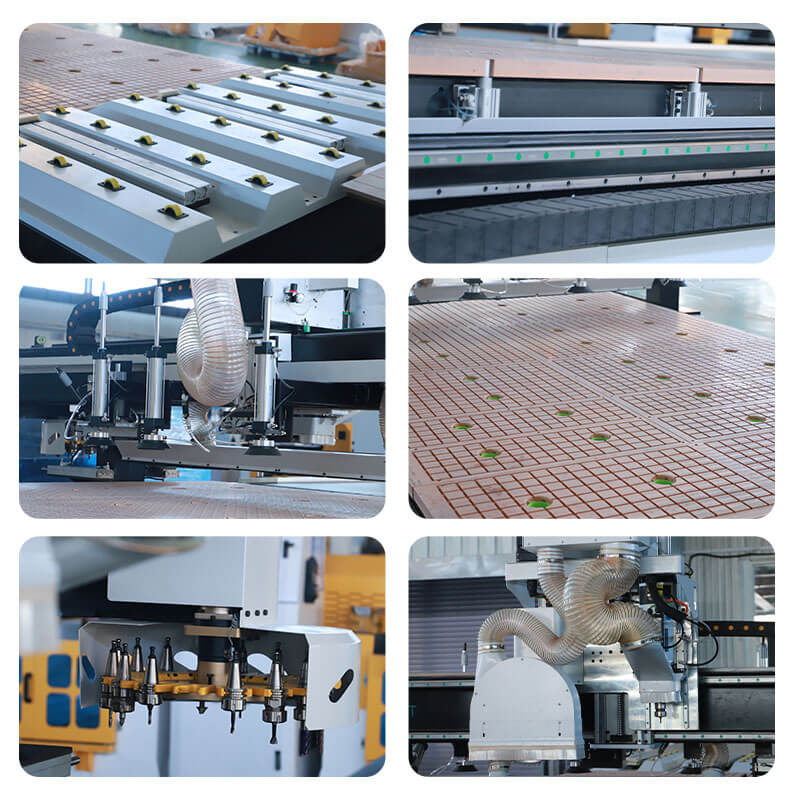
Motion System Components
The motion system is a core functional unit of a wood CNC router, responsible for translating control commands into precise and repeatable mechanical movement. Its design and component quality directly influence positioning accuracy, cutting speed, and overall machining stability. A well-engineered motion system ensures smooth axis travel, minimizes vibration and backlash, and enables the machine to maintain consistent performance under varying cutting loads.
Spindle System
Drive Motors and Control Accuracy
Drive motors and control accuracy form the backbone of a wood CNC router’s motion system, converting electrical energy into precise mechanical movement along each axis. Together with the control system, they determine the machine’s positioning accuracy, repeatability, and overall performance. The choice and configuration of motors directly affect speed, load capacity, contouring precision, and stability during woodworking operations.

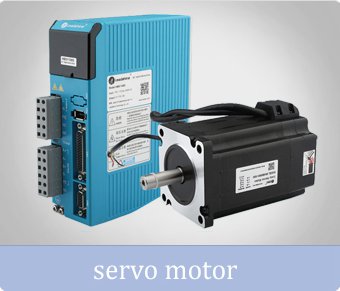
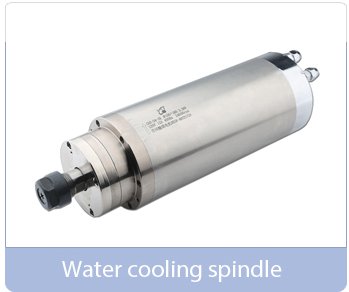

In wood CNC routers, drive motors and control accuracy work together to ensure smooth, precise, and repeatable motion. Selecting the right motor type, properly matching it to axis loads, and tuning the control system minimizes backlash, vibration, and positioning errors. When these elements are optimized, the machine can achieve consistent cutting performance, superior surface quality, and long-term reliability.
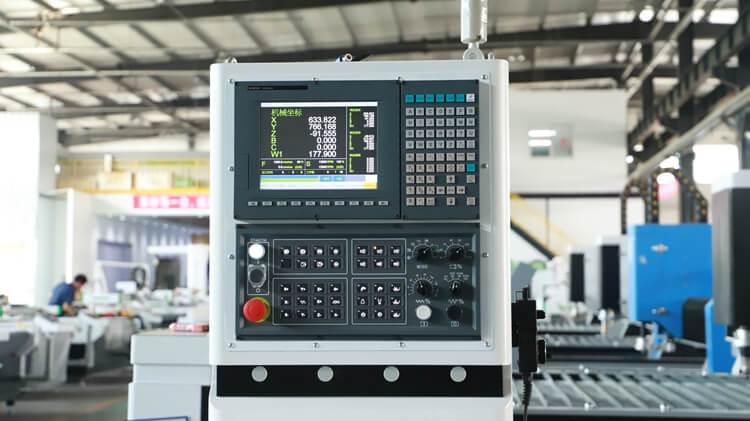
CNC Control System
Maintenance and Component Longevity
Maintenance and component longevity are critical considerations in the long-term performance of a wood CNC router. Each mechanical, electrical, and control component is subject to wear over time, especially in high-speed woodworking environments where dust, vibration, and continuous operation are common. A structured maintenance approach helps prevent unexpected failures, maintains machining quality, and protects long-term equipment investment.
- Routine Mechanical Maintenance: Regular inspection and lubrication of linear guide rails, ball screws, rack and pinion systems, bearings, and couplings ensure smooth motion and accuracy. Removing dust and debris from moving parts prevents abrasive wear and reduces friction. Periodic checks for loosened fasteners, misalignment, or abnormal noise help identify issues before they affect machining performance.
- Electrical and Control System Maintenance: Electrical components such as drives, inverters, power supplies, and control boards should be inspected for overheating, loose connections, or damaged wiring. Cleaning the electrical cabinet and ensuring proper ventilation helps maintain stable operation. Backing up control parameters and software settings is also recommended to avoid data loss and ensure quick recovery in case of system faults.
- Spindle and Tooling Care: The spindle requires regular monitoring of noise, temperature, and vibration to detect bearing wear or imbalance. Proper cooling system maintenance, collet inspection, and timely tool replacement help protect spindle bearings and maintain cutting quality. Using sharp, balanced tools reduces cutting forces and extends the life of both tools and machine components.
- Preventive Maintenance and Long-Term Benefits: Implementing a preventive maintenance schedule reduces downtime, improves operational safety, and ensures consistent machining accuracy. Keeping maintenance records allows operators to track wear trends and plan component replacement proactively. Over time, proper maintenance not only extends component longevity but also stabilizes production quality and lowers overall operating costs.
In wood CNC routing, maintenance is not just a support task—it is a key strategy for ensuring long-term performance, reliability, and return on investment. Regular inspection, proper lubrication, timely replacement of worn parts, and careful monitoring of electrical and spindle systems all contribute to sustained accuracy and efficiency. By prioritizing maintenance and component care, users can protect their investment, reduce operating costs, and ensure long-term, high-quality production.
IGOLDEN BLOG
Thank you for visiting the iGOLDENCNC website. iGOLDENCNC is the professional supplier of CNC machinery application solution, within the business of producing and selling CNC machinery and accessories.