
Acrylic (PMMA) has become one of the most widely used materials in advertising, signage, interior decoration, furniture, and industrial applications. As demand for high-precision, high-efficiency acrylic machining grows, manufacturers are increasingly turning to the ATC CNC router as a reliable and scalable solution.
This article explores how an ATC CNC router for acrylic processing works, its advantages, applications, recommended configurations, and how it compares to other acrylic cutting technologies.
What Is an ATC CNC Router?
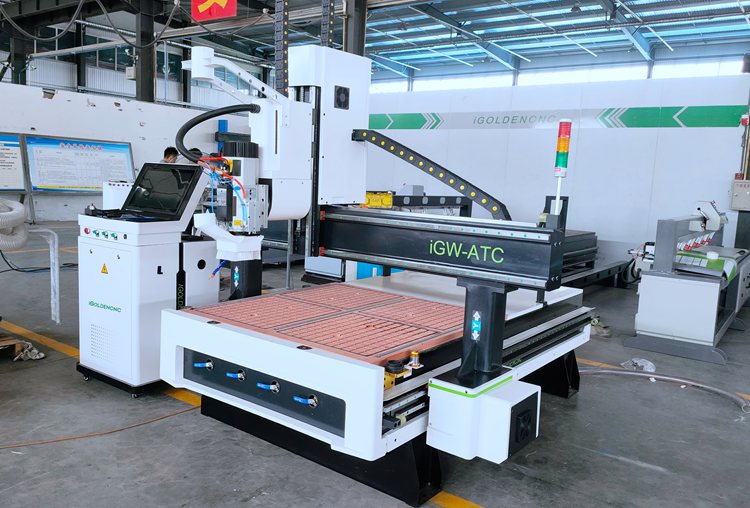
An ATC CNC Router (Automatic Tool Change CNC Router) is a computer-controlled machining system equipped with an automatic tool changer. Unlike standard CNC routers that require manual tool changes, ATC machines can automatically switch tools during a single machining program.
This capability makes ATC CNC routers ideal for multi-process acrylic machining, including cutting, engraving, drilling, and finishing—without stopping the machine.
Why Acrylic Processing Requires Specialized CNC Equipment
Acrylic is a thermoplastic material, which means it reacts strongly to heat during machining. Improper cutting parameters or tooling can lead to:
-
Melted or burned edges
-
Chip re-welding
-
Surface cracking
-
Poor dimensional accuracy
An ATC CNC router offers the speed control, rigidity, and automation needed to machine acrylic cleanly and efficiently.
The Advantages of Using an ATC CNC Router for Acrylic Processing
- Enhanced Precision: ATC CNC routers are engineered to deliver high levels of precision, thanks to their advanced motion control systems and high – speed spindles. When working with acrylic, precision is crucial, especially for creating intricate designs, fine details, and smooth edges. The ability to achieve tight tolerances ensures that the final products meet the exact specifications, whether it’s for a custom – made sign or a complex automotive component.
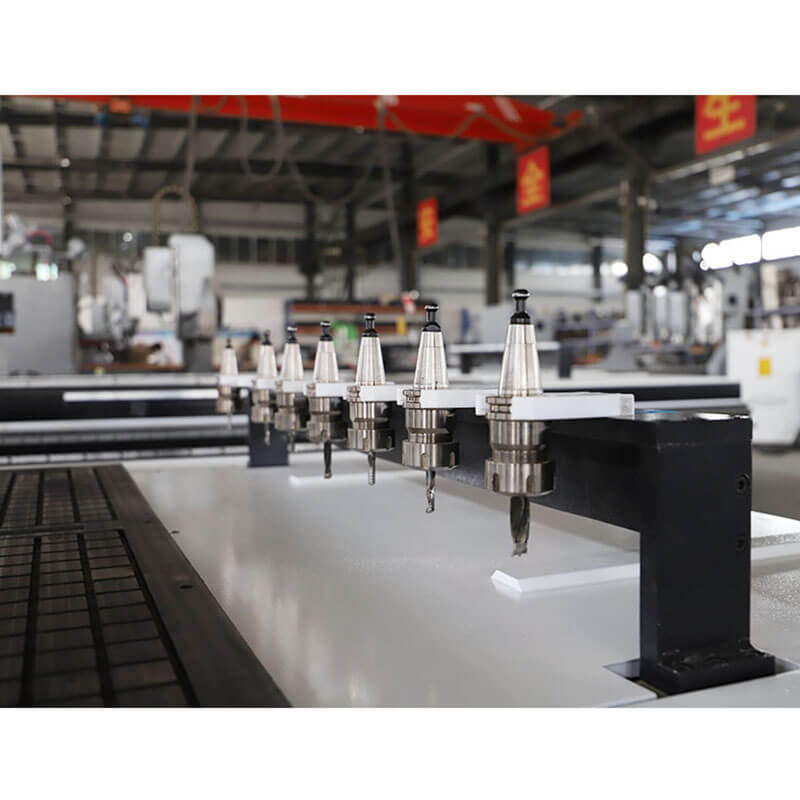
- Automated Tool Changing: The automatic tool changer feature is a game – changer in acrylic processing. In a typical acrylic project, you might need to use multiple tools, such as end mills, ball nose cutters, and engraving bits. With an ATC CNC router, the machine can automatically swap between different tools as required by the machining program. This not only saves time but also reduces the risk of human error associated with manual tool changes. For example, in a large – scale acrylic signage production, the ATC feature allows for continuous operation, increasing productivity significantly.
- Versatility in Design: ATC CNC routers offer a high degree of design flexibility. They can be programmed to create a wide variety of shapes, including curves, angles, and 3D profiles. This versatility makes them suitable for both simple and complex acrylic projects. Whether you’re looking to create a basic rectangular sign or a three – dimensional acrylic sculpture, an ATC CNC router can handle it with ease.
Common Acrylic Applications Using ATC CNC Routers
1. Advertising & Signage Industry
-
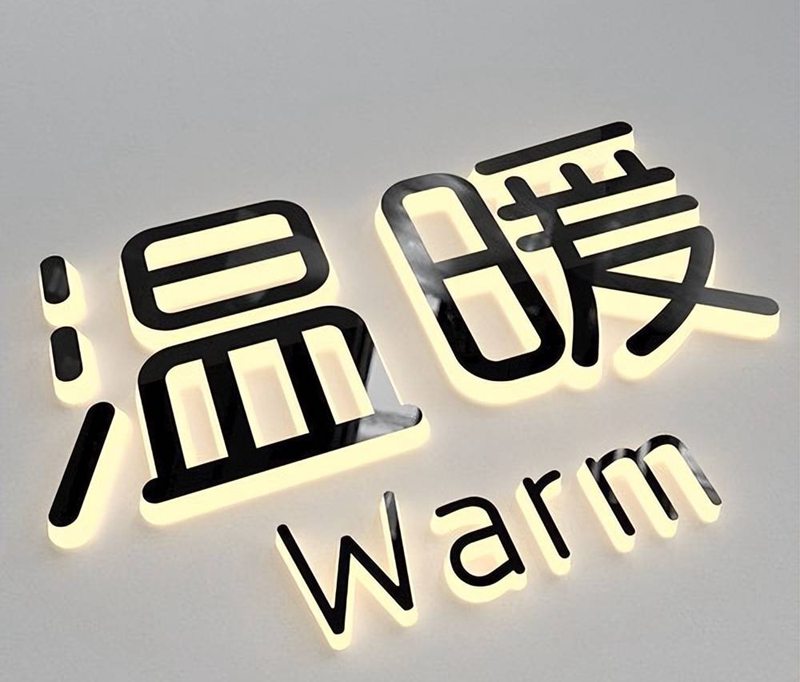
Acrylic letters
-
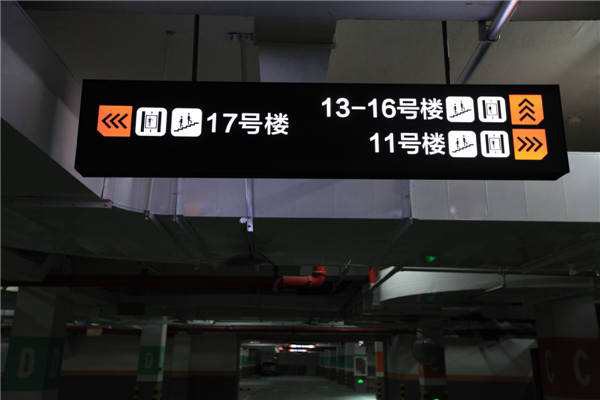
LED light box panels
-
3D logos
-
Storefront signage
2. Display & Exhibition Systems
-
Acrylic display stands
-
POP displays
-
Exhibition panels

3. Acrylic Furniture & Interior Decoration
-
Table tops
-
Shelving systems
-
Decorative panels
4. Industrial Acrylic Components
-
Machine covers
-
Protective shields
-
Precision acrylic plates
Considerations for Acrylic Processing with an ATC CNC Router
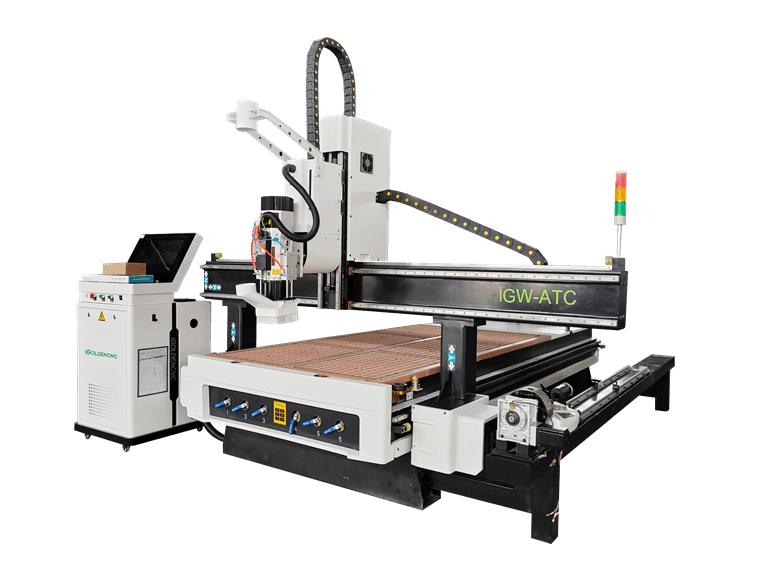
- Tool Selection: Choosing the right tools is essential for successful acrylic processing. Carbide tools are often the preferred choice due to their hardness and ability to maintain sharp edges. End mills with a small number of flutes (usually 2 – flutes) are ideal for roughing operations, as they can remove large amounts of material quickly. For finishing passes, ball nose cutters can create smooth and polished surfaces. It’s important to ensure that the tools are properly sharpened and balanced to avoid chipping or cracking of the acrylic.
- Cutting Parameters: The cutting speed, feed rate, and depth of cut need to be carefully adjusted based on the thickness and quality of the acrylic. Higher cutting speeds and lower feed rates generally result in better surface finishes. However, if the cutting speed is too high, it can generate excessive heat, which may cause the acrylic to melt or warp. The depth of cut should also be controlled to prevent breakage. For thinner acrylic sheets, shallower cuts are recommended.
- Chip Management: Acrylic chips can be a nuisance during processing. If not managed properly, they can accumulate in the cutting area, leading to poor surface finishes and potential damage to the tools. To address this issue, many ATC CNC routers are equipped with vacuum systems or chip blowers. A strong vacuum system can effectively remove the chips from the cutting surface, ensuring a clean working environment and high – quality cuts.
Best Practices for Acrylic Processing with ATC CNC Routers
- Surface Preparation: Before starting the machining process, it’s important to clean the acrylic surface thoroughly to remove any dust, dirt, or fingerprints. This helps to prevent scratches and ensures a smooth finish. Additionally, masking the surface of the acrylic with a protective film can further safeguard it during processing.
- Fixture Design: Proper fixturing is crucial for securing the acrylic sheet during machining. The fixture should hold the acrylic firmly in place without causing any deformation. Using vacuum tables or clamps specifically designed for acrylic can help achieve a stable setup.
- Post – Processing: After the machining is complete, the acrylic parts may require some post – processing, such as sanding, polishing, or edge finishing. These steps can enhance the appearance and quality of the final product. It’s important to use appropriate sandpaper grits and polishing compounds to achieve the desired finish.
Ideal ATC CNC Router Configuration for Acrylic Processing
If acrylic is a primary material, consider the following setup:
-
Spindle power: 9–12 kW
-
Spindle speed: Up to 24,000 RPM
-
Tool changer: Linear ATC or carousel ATC
-
Worktable: Vacuum table with zone control
-
Controller: Industrial CNC system (Syntec / Siemens)
This configuration is widely used in professional acrylic and signage factories.
ATC CNC Router vs Laser Cutting for Acrylic
| Feature | ATC CNC Router | Laser Cutting |
|---|---|---|
| Thick acrylic cutting | Excellent | Limited |
| Drilling & slots | Yes | No |
| Edge polish | Good (post-polish possible) | Excellent |
| Multi-process machining | Yes | No |
| Production flexibility | Very high | Medium |
Many professional factories use both technologies, but ATC CNC routers dominate when thick acrylic and mechanical processing are required.
Final Thoughts
An ATC CNC router for acrylic processing is one of the most versatile and efficient solutions available today. When equipped with the right spindle, tooling, and parameters, it delivers:
-
Clean cuts
-
Smooth edges
-
High precision
-
Reliable batch production
Whether you operate in sign making, advertising, display manufacturing, or industrial acrylic fabrication, an ATC CNC router can significantly upgrade your production capability.
If you’re interested in exploring the possibilities of using our ATC CNC routers for your acrylic processing needs, we invite you to contact us for a detailed discussion. Our team of experts is ready to assist you in finding the most suitable machine for your specific requirements and to provide you with comprehensive support throughout the purchasing process.
IGOLDEN BLOG
Thank you for visiting the iGOLDENCNC website. iGOLDENCNC is the professional supplier of CNC machinery application solution, within the business of producing and selling CNC machinery and accessories.