
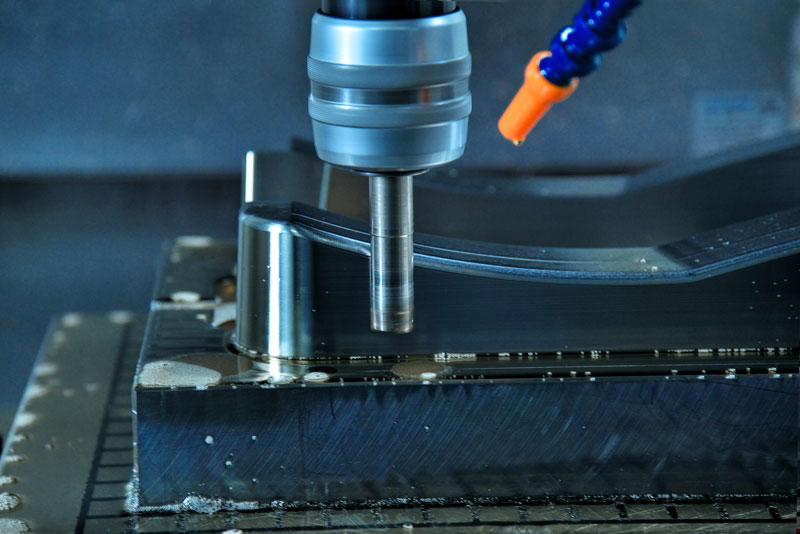
Understanding CNC Routers

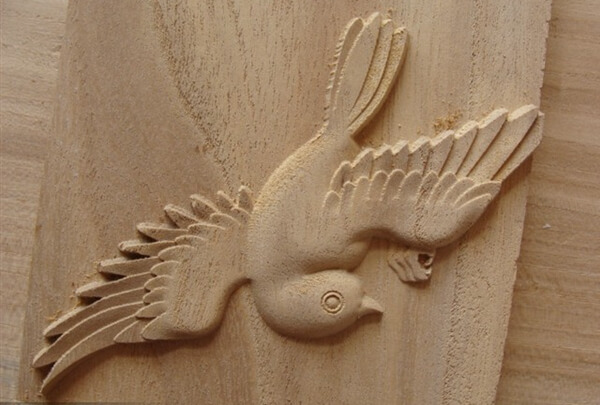
Defining YourPrimary Applications
Material Types: Your primary materials dramatically influence router selection. Solid wood, plywood, and MDF require substantial spindle power and rigid construction. Plastics and acrylics need precision spindle speed control and appropriate dust collection. Aluminum and non-ferrous metals demand rigid machines with adequate power and appropriate cooling. Foam and soft materials benefit from specialized tooling and gentler approaches.
Identify which materials constitute 70-80% of your work—optimize for these while ensuring occasional specialty materials remain processable with parameter adjustments.
Production Type: Custom one-off work requires maximum flexibility and quick setup capabilities. Small batch production (10-100 pieces) benefits from efficient programming and moderate automation. High-volume manufacturing demands speed, reliability, and advanced automation. Your production profile determines appropriate machine sophistication and automation level.
Part Complexity: Simple 2D cutting and engraving suits entry-level systems. Complex 3D carving, relief work, and sculptural elements require advanced control systems and appropriate software. Nested parts production needs sophisticated CAM software integration. Match machine capabilities to your complexity requirements.
Types of CNC Routers
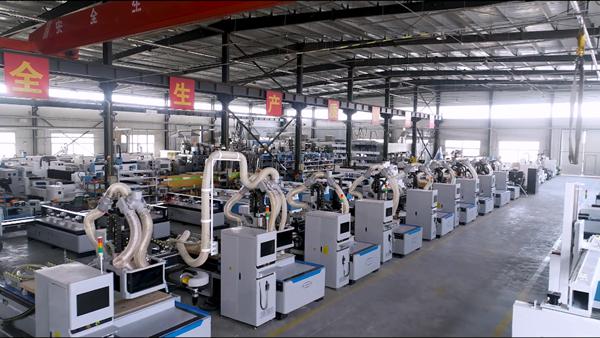
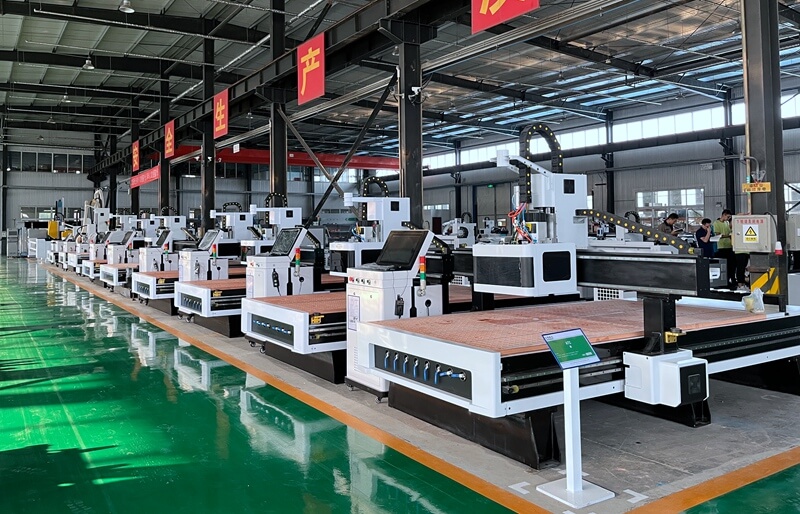
Factors to Consider When Choosing a CNC Router
Choosing the right CNC router involves considering several critical factors:Purpose and Project Scope: Determine the primary use of the CNC router, whether for intricate artistic work, industrial manufacturing, or hobbyist projects. This decision will influence the type of machine and features required.
Workspace Constraints: Assess the available space in your workshop or factory. The size of the CNC router should fit comfortably in your workspace without hindering operations.
Budget Considerations: CNC routers vary significantly in price. Define your budget early on and consider the balance between cost and the features you need.
Software and Compatibility: The software that operates the CNC router is crucial. Ensure that it is compatible with your design software and easy to use.
Precision and Accuracy Needs: Consider the level of precision required for your projects. Higher precision machines tend to be more expensive, so align this with your project needs.
Each of these factors plays a vital role in selecting the right CNC router, aligning with your specific requirements and constraints.
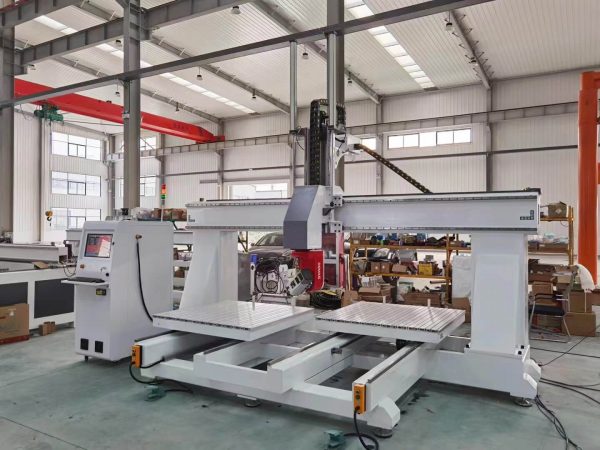
Advanced Features and Technologies in CNC Routers
Modern CNC routers are equipped with a host of advanced features and technologies that enhance their functionality and user experience. These improvements are not exclusive to any single manufacturer but are widely adopted across the industry.Automated Tool Changing (ATC): This feature allows the machine to automatically switch between different tools during a job, significantly reducing manual intervention and downtime. ATC systems are a boon for complex projects requiring multiple tool types, enhancing productivity and operational efficiency.
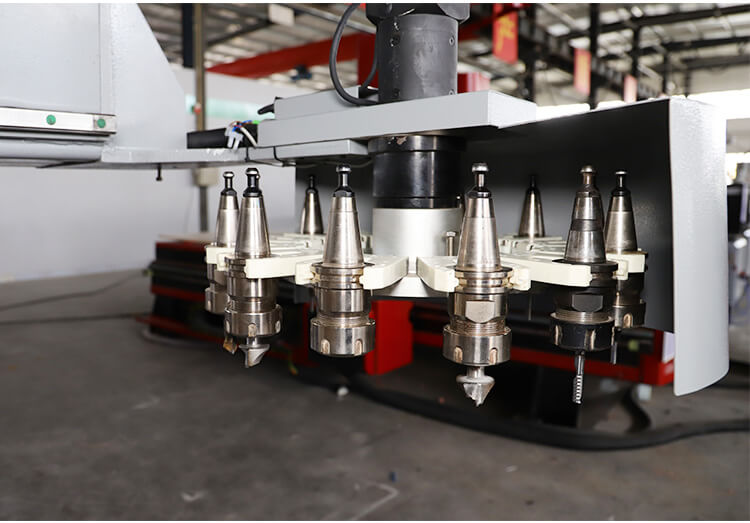
High-Performance Spindles: Contemporary CNC routers often come with powerful, air-cooled spindles. These spindles can operate at high speeds, crucial for precision cutting and working with a diverse range of materials.
Advanced Motion Control Systems: The latest CNC routers are integrated with sophisticated motion control systems. These systems offer intuitive interfaces, often with touchscreen control, and are designed for ease of use. Features like network capability and advanced algorithms for efficient operation are common.
Software Integration and Simulation: Modern CNC routers are compatible with advanced software for project simulation, g-code editing, and efficient operation. This allows operators to anticipate project timelines, reduce material waste, and make adjustments easily.
Enhanced Spindle and Tool Change Control: Precision control over spindle speeds and tool changes is a key feature in newer models. This allows for finer adjustments and better control over the cutting process, leading to higher-quality results and extended tool life.
Material Versatility: Today’s CNC routers are capable of handling a wide variety of materials, from woods and plastics to soft metals and composites. This versatility makes them suitable for a range of industries and applications.
These advancements represent a significant evolution in CNC router technology, making them more efficient, versatile, and user-friendly. They cater to the needs of various industries, from bespoke furniture making to aerospace engineering, offering high-quality results and increased productivity.
For more detailed information on the specific features and capabilities of contemporary CNC routers, consulting with manufacturers or industry experts is advisable.
Application-Specific Recommendations
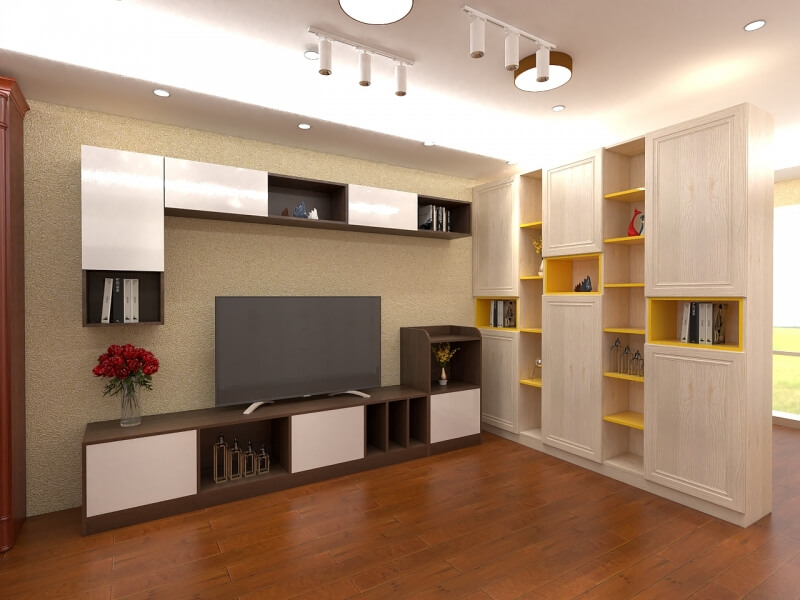
Furniture Manufacturing: Mid to large work areas, ATC spindles, vacuum tables, and nested part capability optimize furniture production.
Signage and Graphics: Large format capacity, high-speed spindles for plastics, and efficient material handling suit signage shops.
Cabinet Making: Standard 4×8 capacity, adequate power for hardwoods and sheet goods, and nested cutting capability serve cabinet makers excellently.
Prototyping and R&D: Flexibility, quick setup, diverse material capability, and precision matter more than maximum speed.
Production Manufacturing: Reliability, speed, automation, and comprehensive support justify premium investment for high-volume operations.

CNC Router Maintenance
The maintenance and aftercare of CNC routers are critical for their longevity and performance. IGOLDEN Machinery offers a range of service videos and documentation that guide maintenance best practices. Key areas of focus include:Routine Maintenance: Daily tasks like cleaning guide rails, greasing, and inspecting cutters are essential for smooth operation.
Scheduled Maintenance: Weekly, monthly, quarterly, and bi-annual maintenance routines are outlined, emphasising tasks like cleaning CNC components, checking vacuum pumps, and ensuring the integrity of bearings and belts.
Specialised Maintenance Procedures: Instructions on specific maintenance tasks like vacuum bed and sacrificial surface best
Practices. These include best practices for vacuum bed use and sacrificial surface management, which are crucial for optimal grip and precision during machining processes.
Conclusion
Choosing the best CNC router demands careful analysis balancing capability requirements against budget realities while considering long-term business strategy. The optimal selection delivers necessary performance for your primary applications at appropriate investment, with reasonable growth accommodation. Neither under-specify causing capability limitations nor over-specify wasting resources on features generating insufficient returns. Partner with iGoldenLaser to navigate this critical decision, ensuring your CNC router investment positions your business for productive, profitable operation and sustained competitive success in your chosen markets.
Choosing the right CNC router for a business can be tricky, but I think understanding your specific needs—whether it’s for woodworking, foam, or even stone carving—really helps narrow it down. The right machine can make all the difference in productivity and precision.