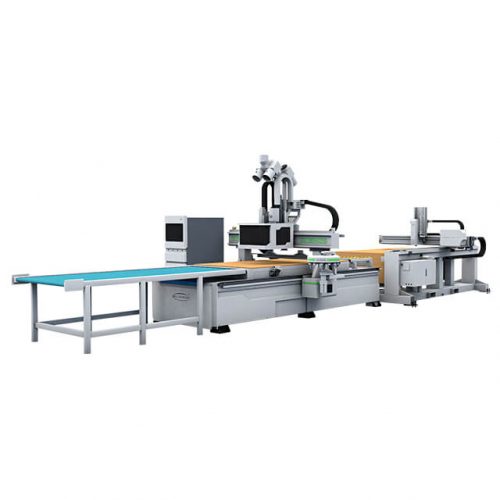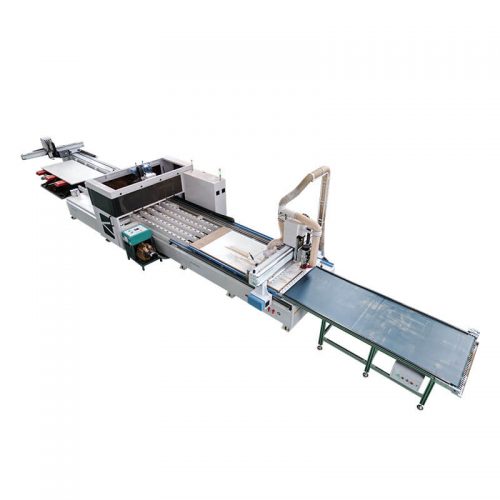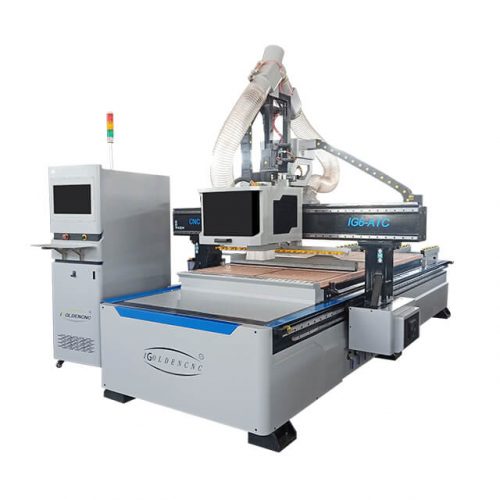
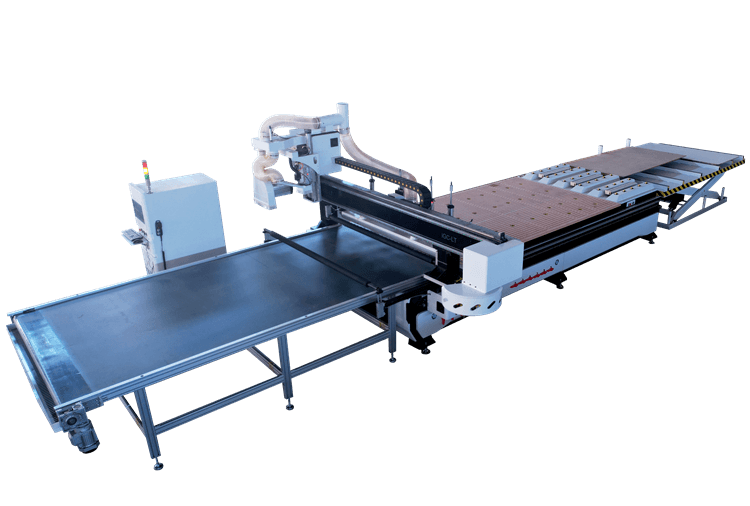
Auto Load and Unload ATC CNC with Saw Blade
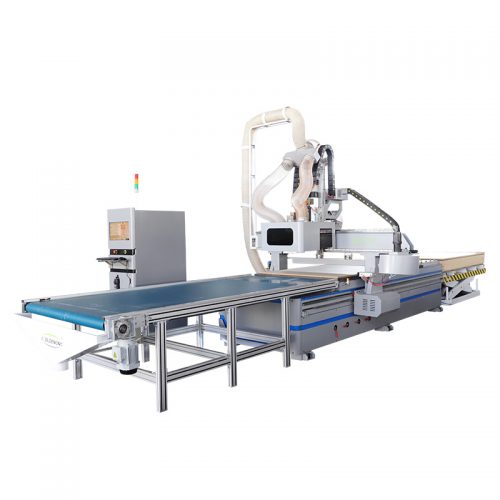
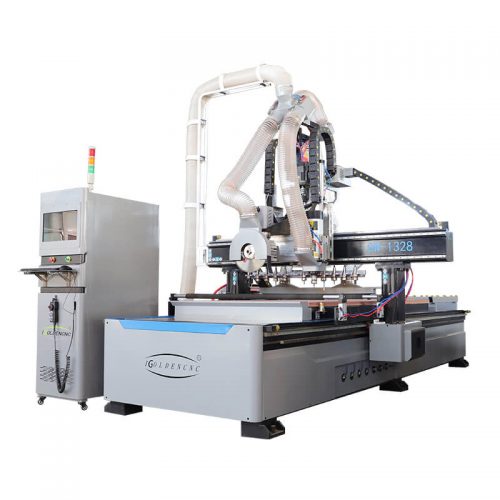
The tool can be automatically changed during multiple process processing to improve production and processing efficiency, and the 4-axis saw blade cutting device can be used for efficient cutting of various boards, whether it is the commonly used MDF board, plywood, multi-layer board, or gypsum board, aluminum-plastic board, it can easily cope with it.


ATC Nesting CNC Machine
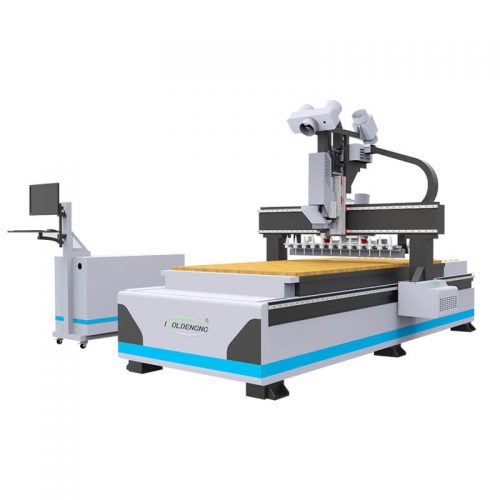
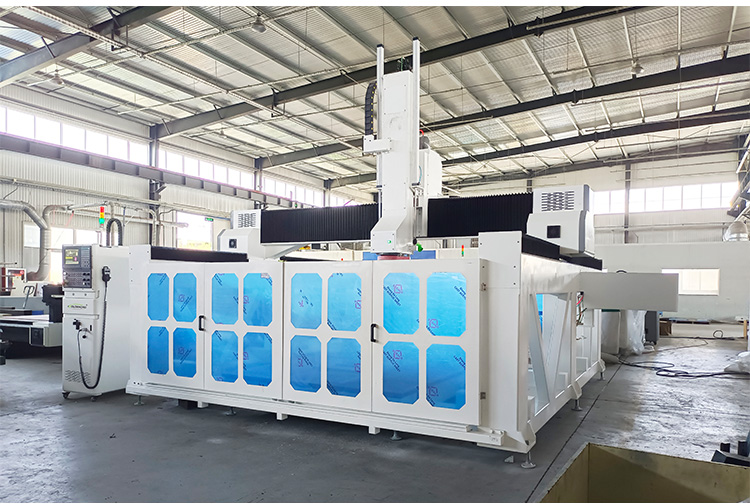
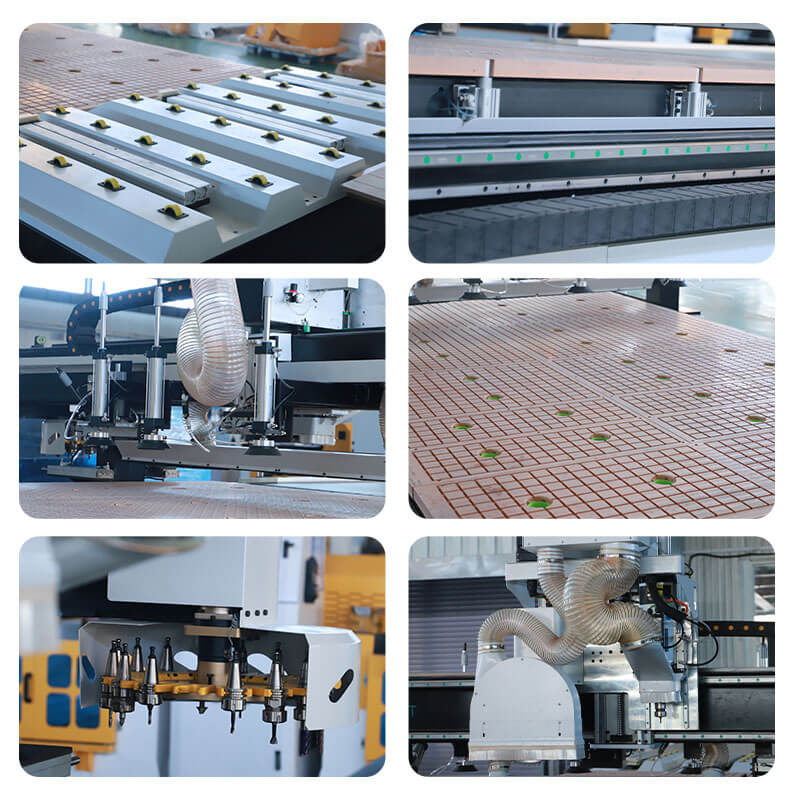
The CNC router is designed for efficient wood board cutting. A 4-axis saw blade cutting device that can be used for efficient cutting of boards is additionally installed on the standard CNC nesting router with automatic tool changer. The automatic tool changer is equipped with 12 tools at a time, which can be used for various cutting, engraving, milling, grooving and other work scenarios.
The tool can be automatically changed during multiple process processing to improve production and processing efficiency, and the five-axis saw blade cutting device can be used for efficient cutting of various boards, whether it is the commonly used MDF board, plywood, multi-layer board, or gypsum board, aluminum-plastic board, it can easily cope with it. When cutting, due to the difference between the saw blade and the milling cutter, the saw blade can cut multiple layers of board at a time.
Compared with cutting with a milling cutter, the saw blade cutting can cut various boards at a speed of more than two to three times, and the cutting speed can reach 30,000 mm/min, which is far superior to the traditional milling cutter cutting. It can cut multiple layers at a time with completely consistent cutting accuracy and extremely high cutting efficiency, which can greatly improve processing efficiency and save costs.
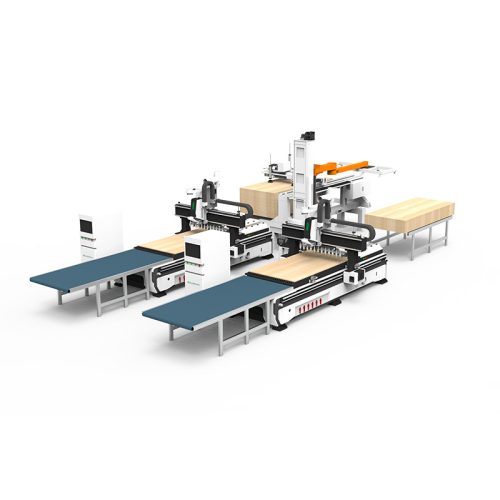
It can equipped with an independent automatic labeling machine, which works with the nesting CNC machine at the same time, making it more efficient. In addition, it is equipped with an automatic loading and unloading platform, which effectively saves manpower.
ATC Nesting CNC Route+Saw Cutting+Loading and Unloading Video
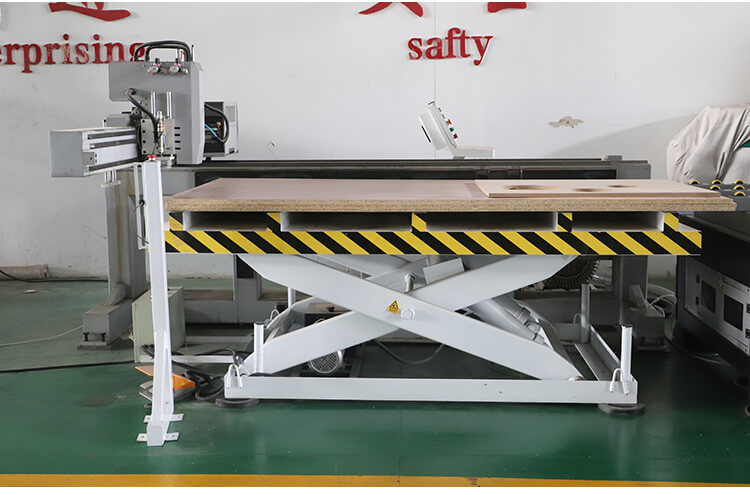
Automatic feeding platform
Auto feeding materials, automatic layout optimization, improve material utilization. Save working time: Automatic feeding, save the time of labor, no human intervention, minimizing error rate to minimum, ensure the quality of the order.

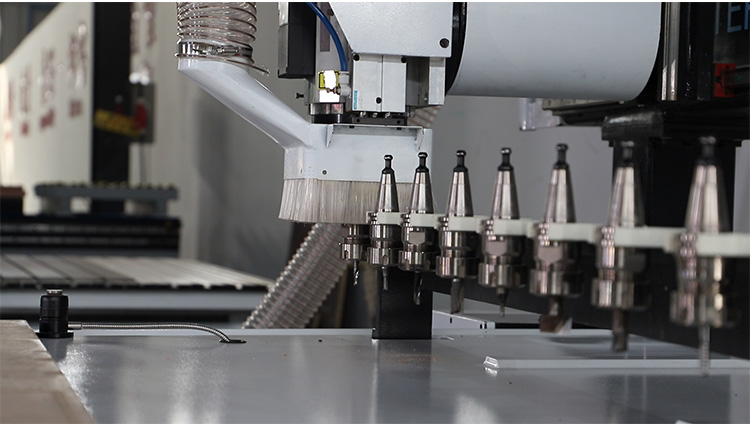
Disc Auto Tool Changer
Disc auto tool changers are known for their quick tool changes. The rotating disc allows for rapid access to the required tool, minimizing downtime and contributing to higher machining efficiency.
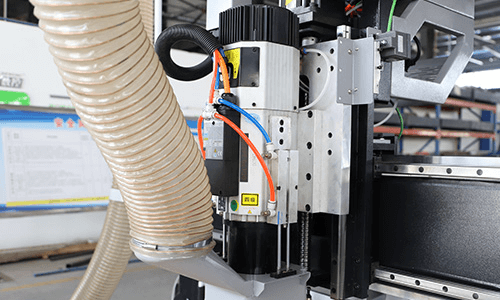
Spindle
9KW automatic tool changer spindle makes machine with high precision, long service time and stable movement.
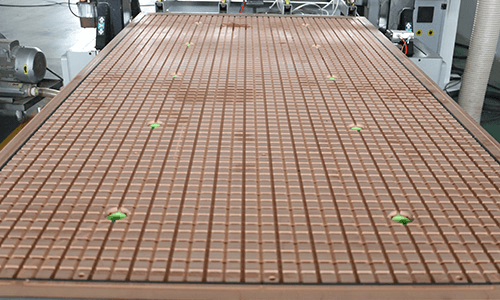
Vacuum adsorption table
Vacuum worktable and strong power suction vacuum pump 7.5KW is equipped with this CNC wood carving machine for carpentry.
Labeling and Nesting Cell for Panel Furniture Automatic Production Line
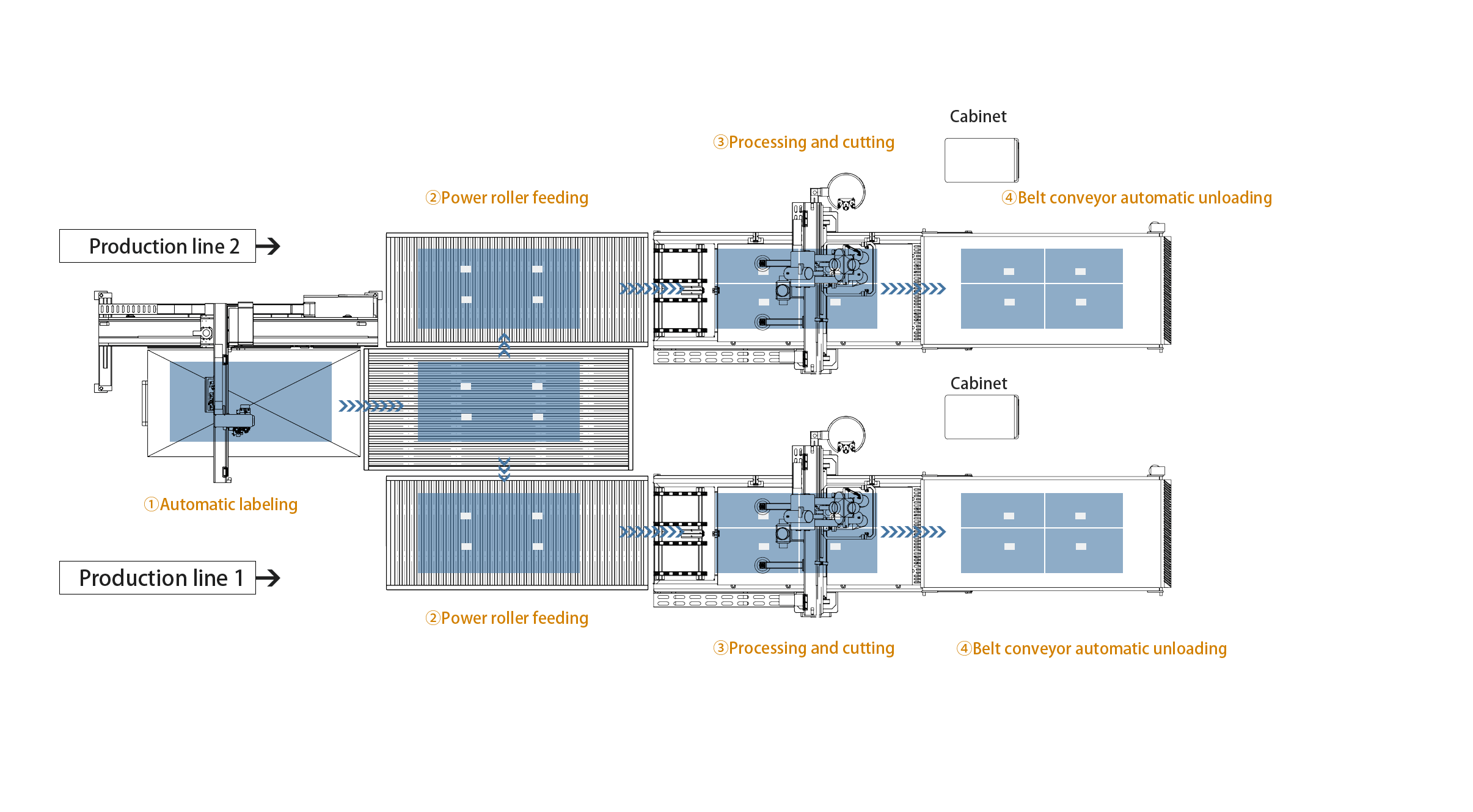
Nesting CNC Router Machine
| Model | IGC-LT2035 |
| Working area | 2000*3500*250mm |
| Upright | Steel |
| Cabinet | iGOLDEN |
| System | SYNTEC 60WB system + handwheel |
| Table | Vacuum adsorption table + push material + positioning + secondary dust removal + suction cup + loading and unloading platform + press wheel |
| Drive | Yaskawa 850W motor |
| Spindle | HQD9KW air-cooled tool change spindle (24000rpm)+400mm saw blade (motor 7.5kw) |
| Reduction gear | Japan Shinpo |
| Rail | Hiwin Taiwan |
| Rack | Xinyue Taiwan |
| Frequency changer | Fuling |
| Lubrication system | Automatic oil can |
| Tool magazine | 12 disc automatic knife change |
| Dust collector | 5.5kw double vacuum cleaner |
| Operating voltage | 3 phase 380V/60HZ |
We offer customized services according to your requests such as the working area and specifications.
ATC CNC Wood Router with Saw Blade Application
Suitable Materials Include:
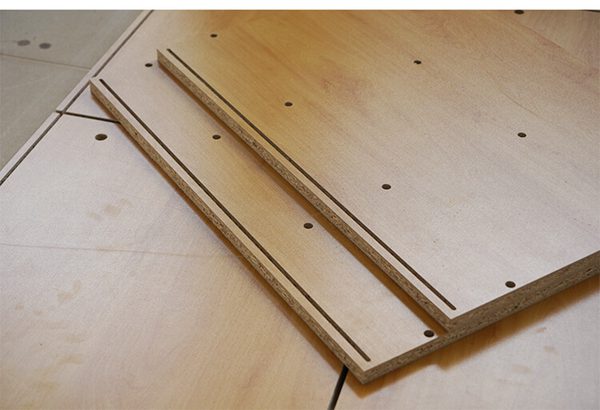
Density board, particle board, oriented strand board (OSB), multi-layer board, plywood, solid wood, gypsum board, PVC board, PCB board, aluminum composite panel, melamine board, foam board, and rubber board.
Applied Products:
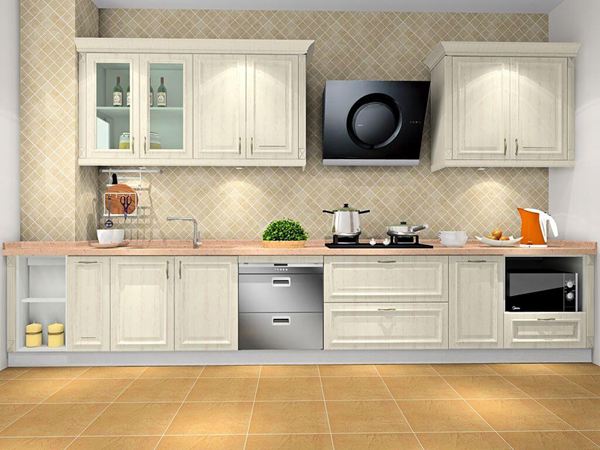
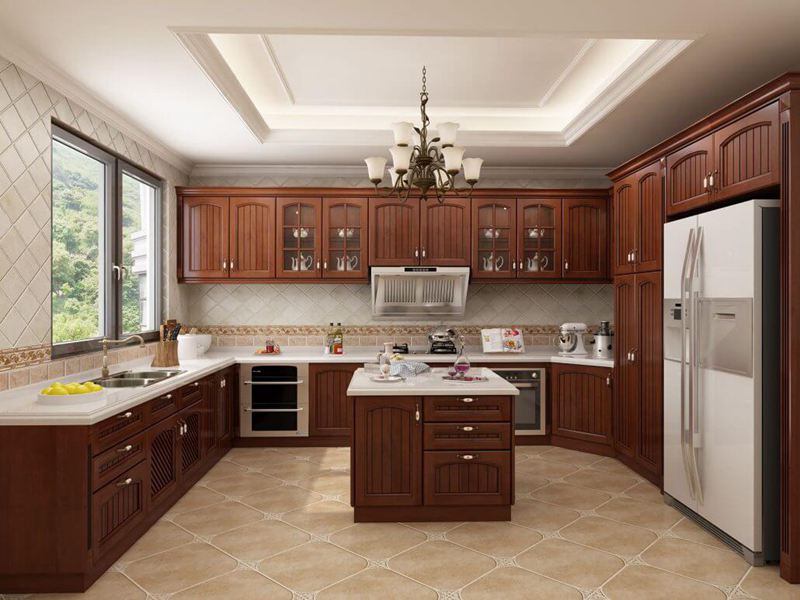
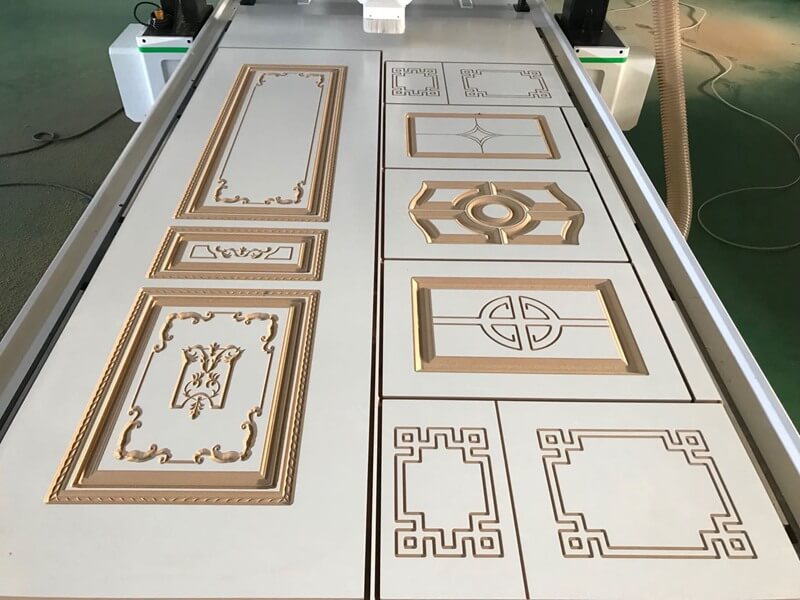
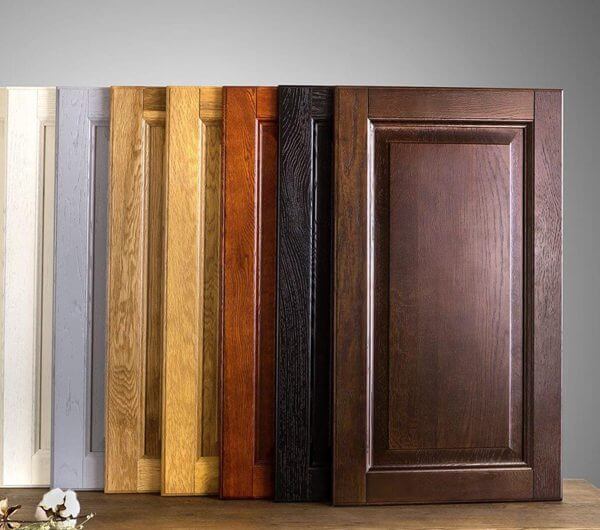
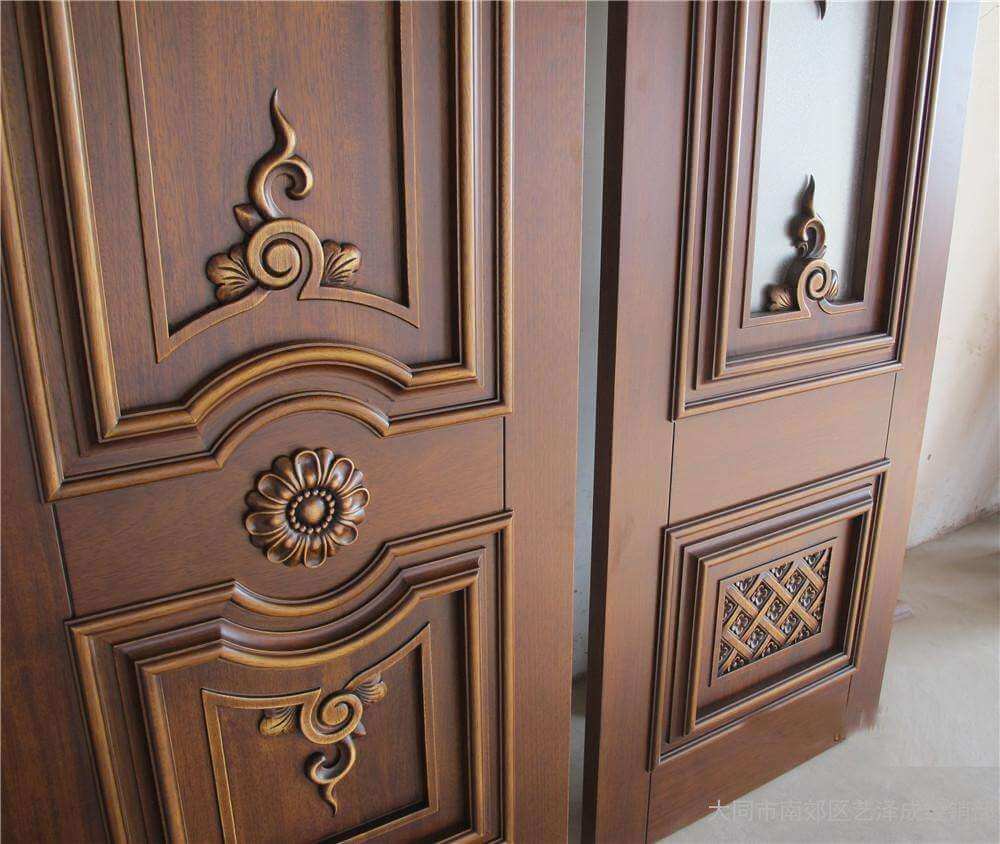
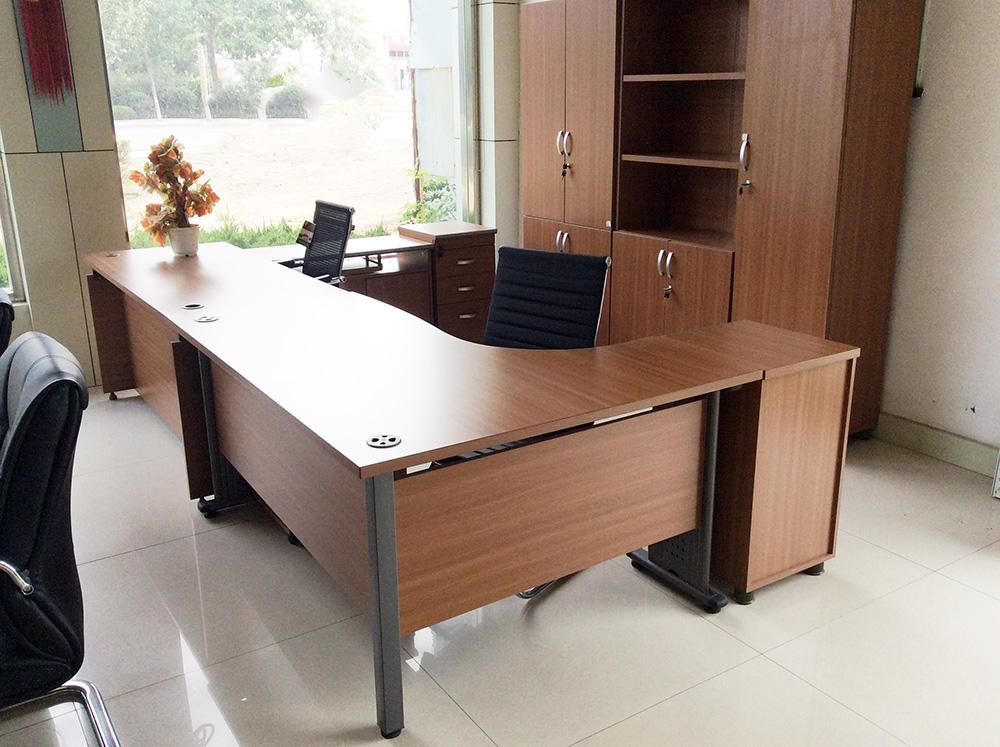
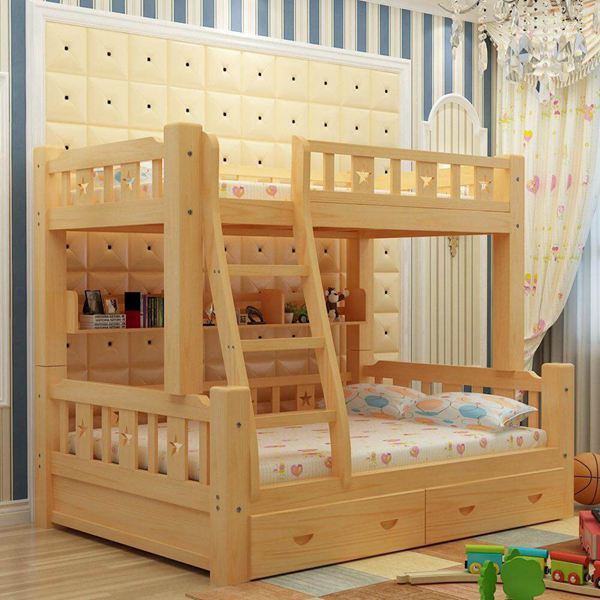
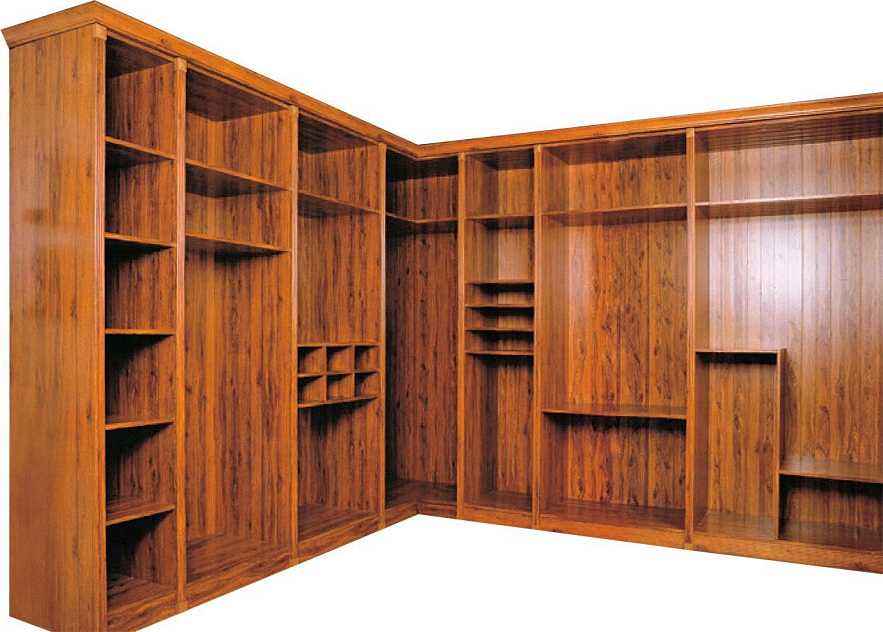
MDF, wardrobes, cabinets, office furniture, computer desks, tatami, TV cabinets, bedside tables, wine cabinets, bookcases, floors, wall panels, wooden boxes, wooden pallets, bathroom cabinets, furniture, ceilings, wooden doors, door panels, door frames and other products.
CNC Nesting Machine Buying Guide
An ATC CNC nesting machine with a saw blade is an advanced woodworking machine that combines automatic tool changing (ATC), routing, drilling, and saw blade cutting in one system. It is mainly used in panel furniture production to process boards efficiently and accurately.
This machine is ideal for:
Small Workshops
upgrade from manual cutting
improve efficiency
Medium Furniture Factories
reduce labor cost
increase production capacity
Large Manufacturing Plants
build fully automated production lines
1. Linear ATC Nesting CNC + Saw Blade
-
tool magazine under gantry
-
fast tool change
-
cost-effective
2. Carousel ATC Nesting CNC + Saw Blade
-
rotating tool magazine
-
higher efficiency
-
suitable for large factories
3. Dual Saw Blade Nesting CNC
-
two saw blades for different operations
-
prevents edge chipping
-
higher production speed
4. Fully Automatic Nesting Production Line
Includes:
-
labeling system
-
loading/unloading platform
-
CNC machine + saw blade
This is ideal for mass furniture production.
Approximate pricing:
-
basic machine: $12,000 – $20,000
-
dual saw blade machine: $20,000 – $30,000
-
full production line: $30,000 – $80,000+
Price depends on configuration and automation level.
Yes — and this is in fact the defining architectural choice in panel furniture production: beam saw plus separate machining center versus nesting router as a single integrated processing station. The beam saw approach offers higher throughput on large volumes of standard rectangular parts and lower cost per part on simple cutting work. The nesting router approach offers higher flexibility for complex part shapes, eliminates the separate machining center for drilling and routing, reduces total floor space requirements, and produces fully machined parts in a single setup. For high-mix, custom, or made-to-order furniture production — where part variety is high and batch sizes are small — the nesting router consistently outperforms the beam saw approach on total cost per finished part. For high-volume production of standardized products with simple rectangular geometry, beam saws remain competitive. Most large furniture factories use both technologies in different areas of the production line, matching each approach to the product type it serves best.
Reviews

Germany W********h
We invested in a full nesting production line to support large orders. The automation reduced labor costs and helped us scale production quickly. The ROI was faster than expected.
Canada J******o
The saw blade function makes a huge difference. Compared to router-only machines, the edges are much cleaner with no chipping on melamine boards. This is critical for our premium furniture.
Australia H*******m
We specialize in made-to-order kitchen cabinetry and built-in storage for residential builders across Victoria and New South Wales. Every single job we produce is different — different dimensions, different configurations, different materials — and that kind of high-mix, low-volume work absolutely punishes conventional cutting setups.

Australia K****l
After upgrading to the ATC nesting CNC with saw blade, our production efficiency increased dramatically. We used to rely on a panel saw plus manual drilling, which was slow and required skilled workers. Now one operator can handle the entire process.
Algeria L****y
Since installing our nesting CNC router two years ago, our cost per panel has dropped significantly — the combination of reduced material waste and lower labor per part has made us genuinely competitive against imported furniture that used to undercut us on price.
America N*******c
The machine runs two shifts daily without issues. Maintenance is straightforward, spare parts are accessible, and after-sales support from our supplier has been responsive every time we’ve needed it. For any furniture manufacturer in a developing market looking to modernize their production, this is the investment that changes the conversation.